One of the principal research priorities of the Fraknói Research Group’s work in the Vatican Archives is the study of relations between the Holy See and Hungary in the late medieval and early modern periods. Accordingly, in recent years members of the Research Group have undertaken significant research into the history of the Battle of Mohács, as well as its antecedents, consequences, and historical memory, particularly in relation to the five-hundredth anniversary of the battle.
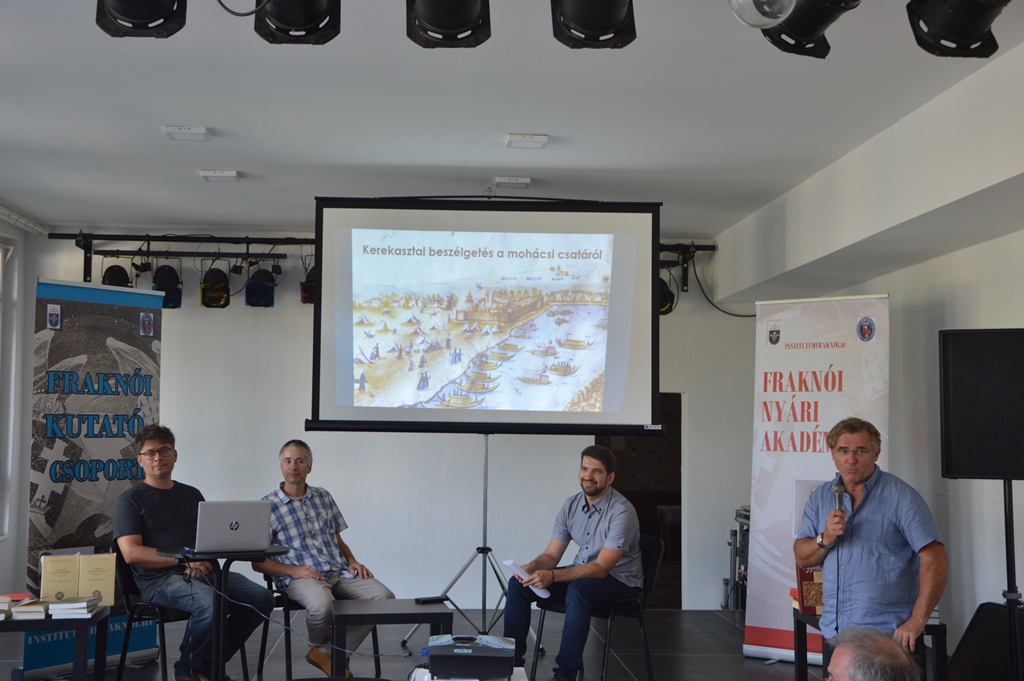
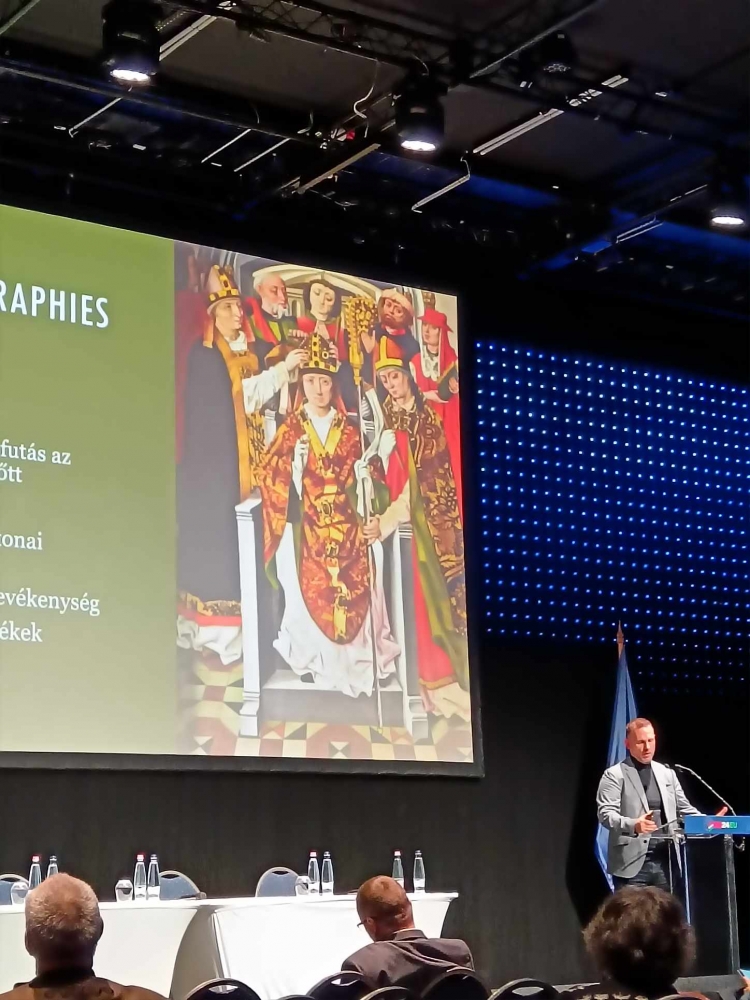
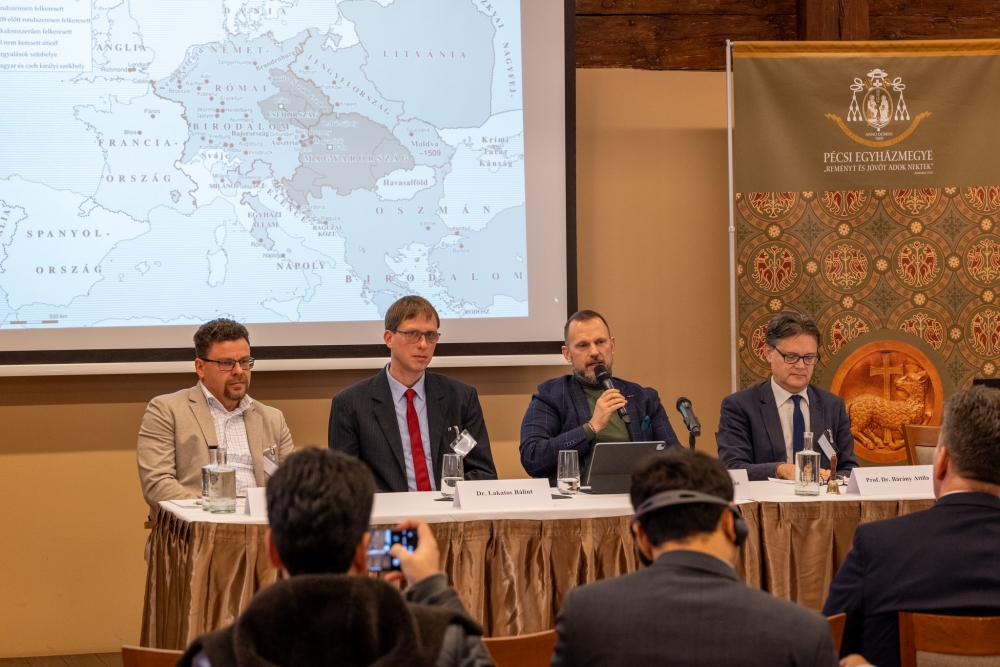
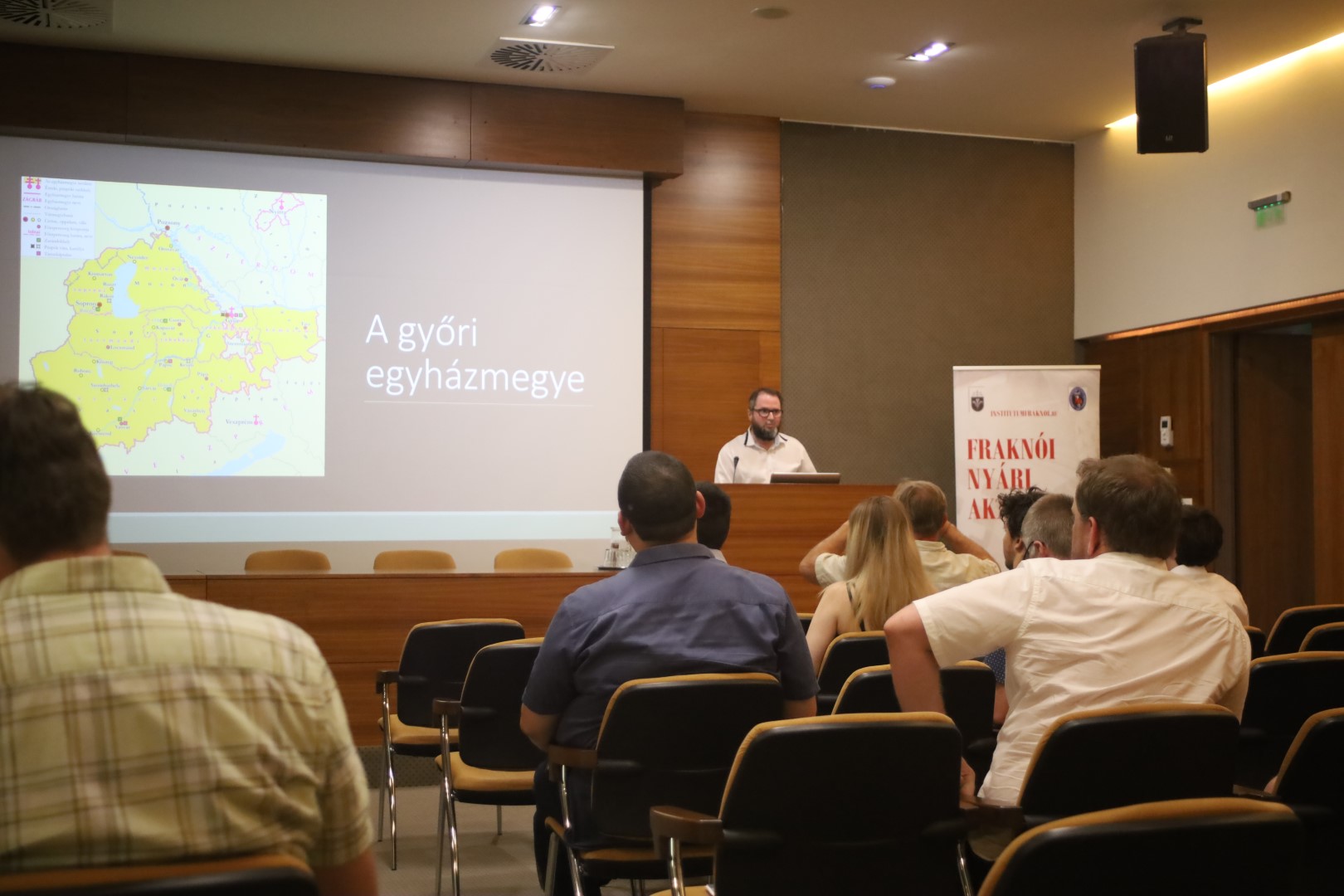
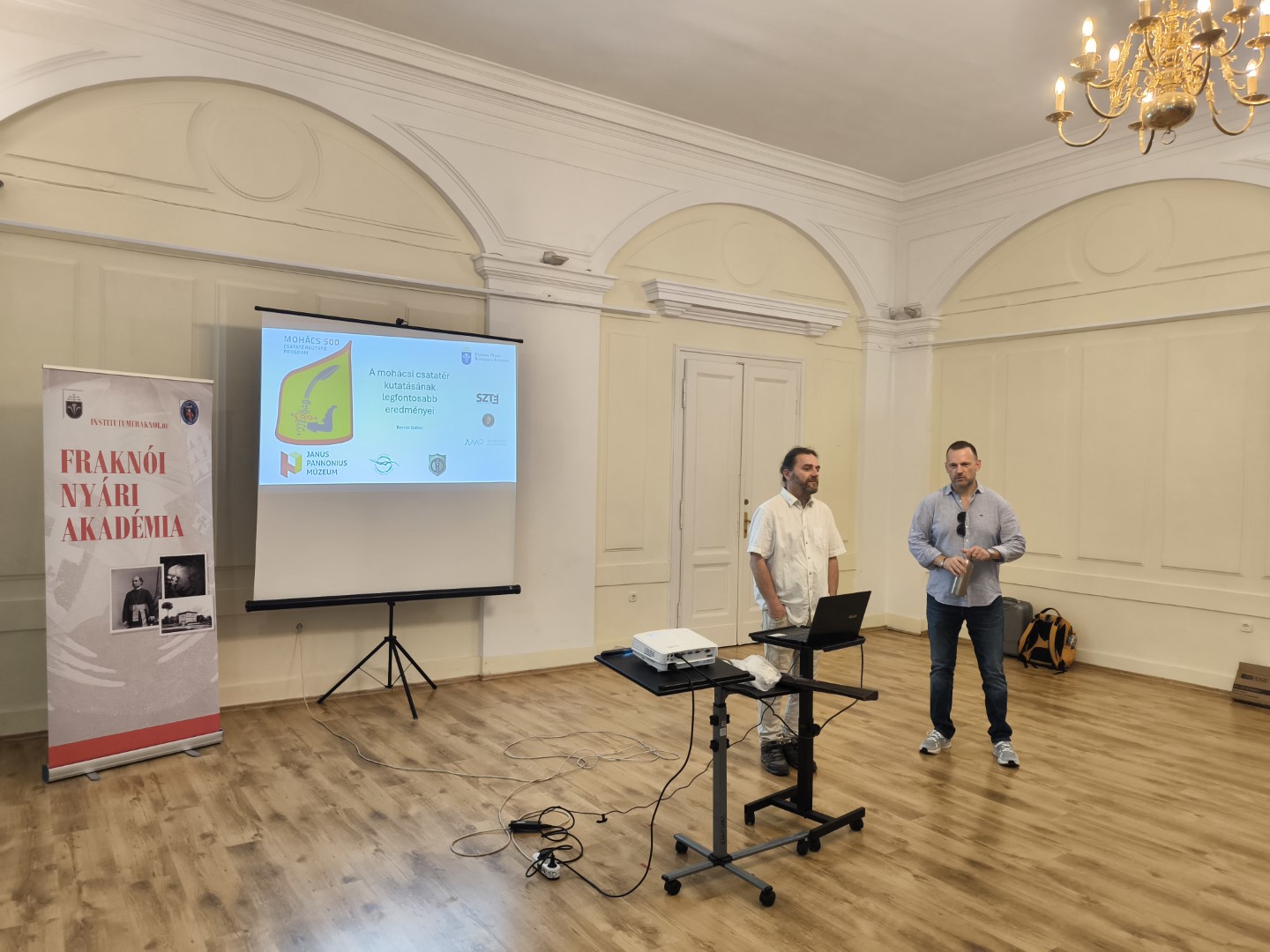
The results of the systematic exploration of Vatican sources have been particularly significant for the decades preceding 1526. The volumes of the Collectanea Vaticana Hungariae publishing these sources – including CVH I/1, I/10, I/12, I/16 – have by now become important contributions to scholarly discourse on the period and its history. Another major undertaking of the Research Group and the Collegium Professorum Hungarorum is the forthcoming Bishoplexicon (Biographical Dictionary of Bishops), to be published for this year’s five-hundredth anniversary. The work presents the lives and activities of the Hungarian prelates who held office before Mohács, while also examining the history and pre-Mohács conditions of the individual dioceses. This subject also provided the focus of the XII Fraknói Summer Academy, held in Pécs at the beginning of the summer. In 2020, the VI Fraknói Summer Academy likewise hosted a round-table discussion on the subject, featuring C. Tóth Norbert, Varga Szabolcs, and Kanász Viktor, which has subsequently attracted considerable interest in terms of online views.
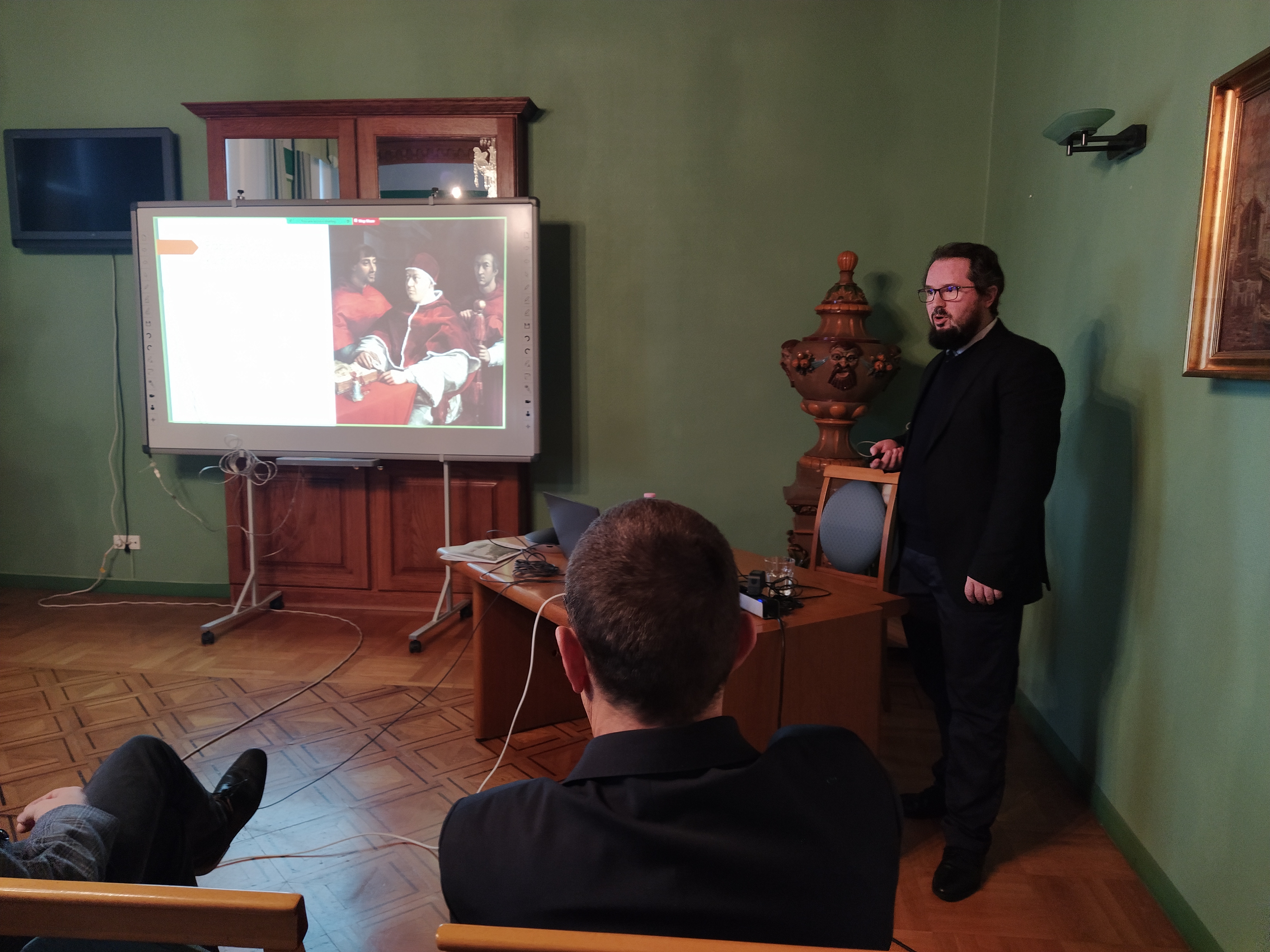
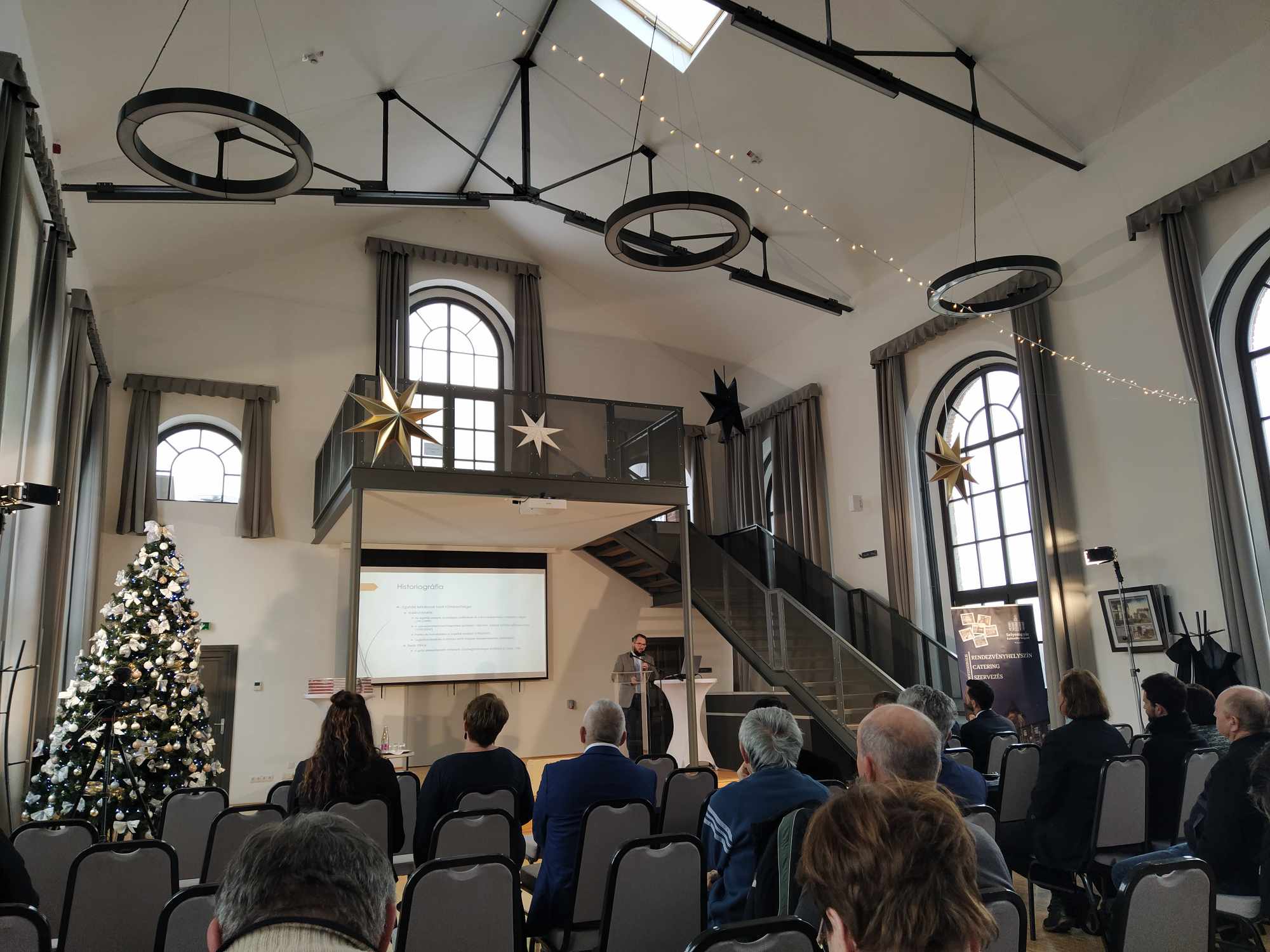
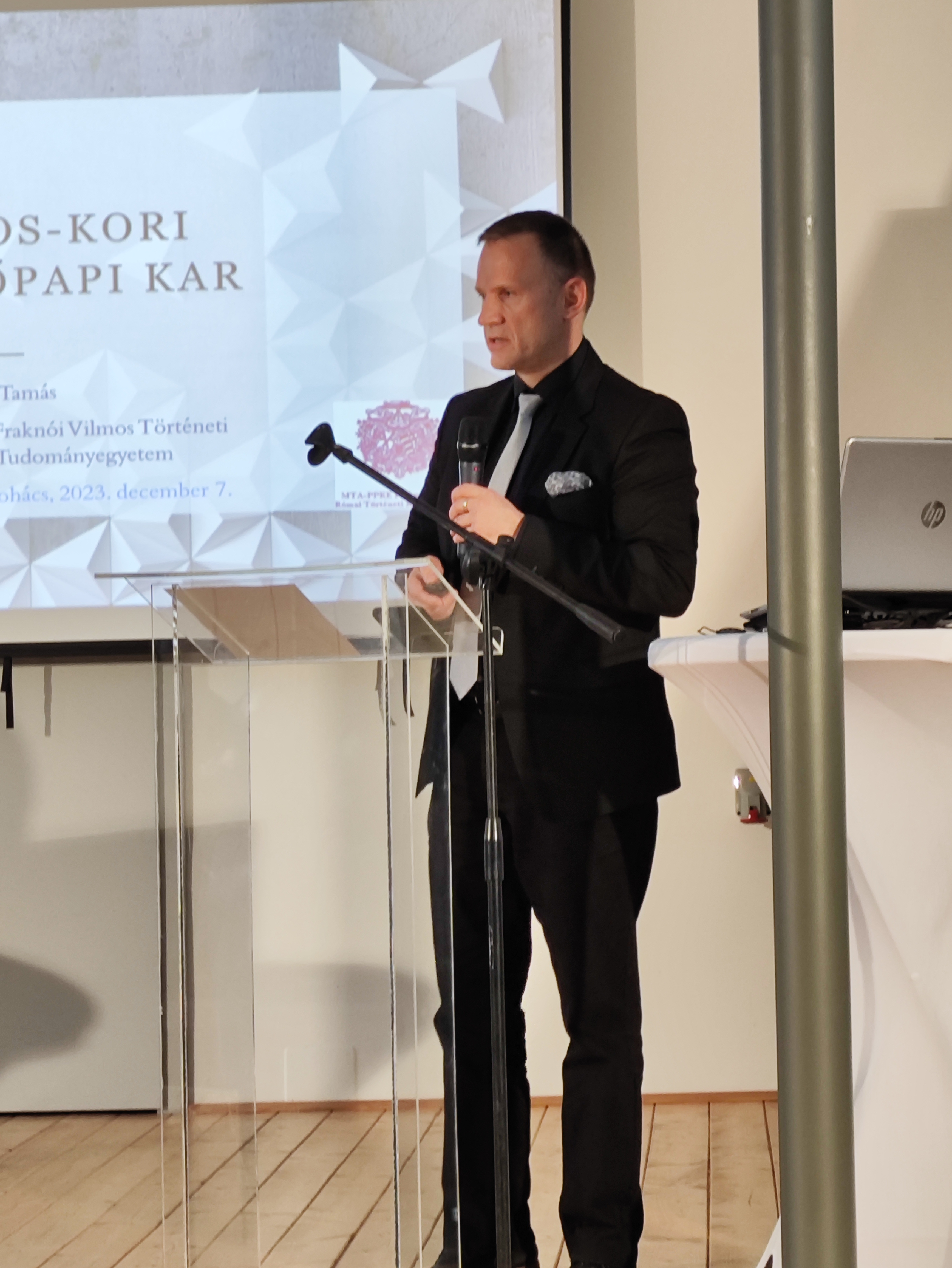
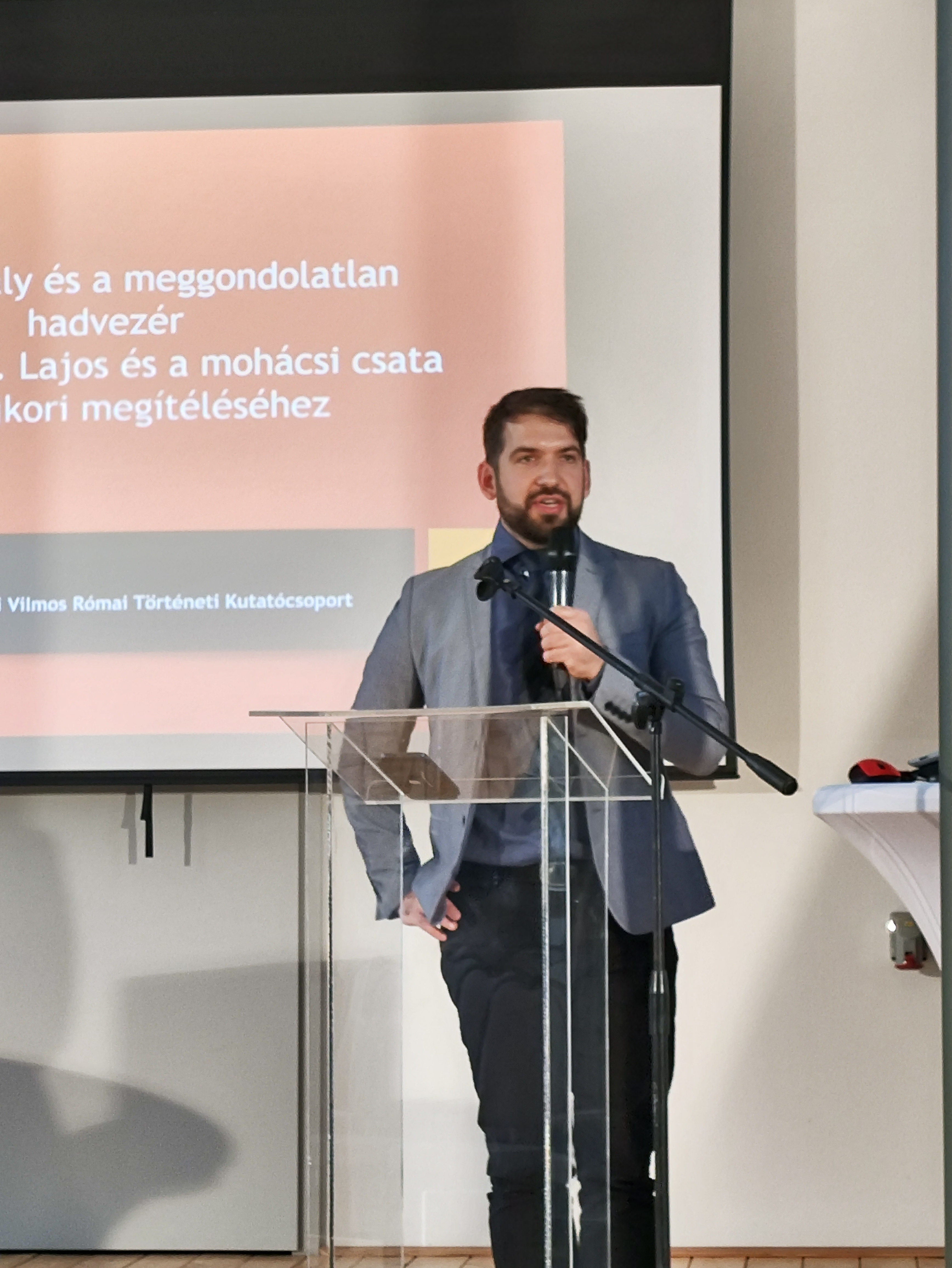
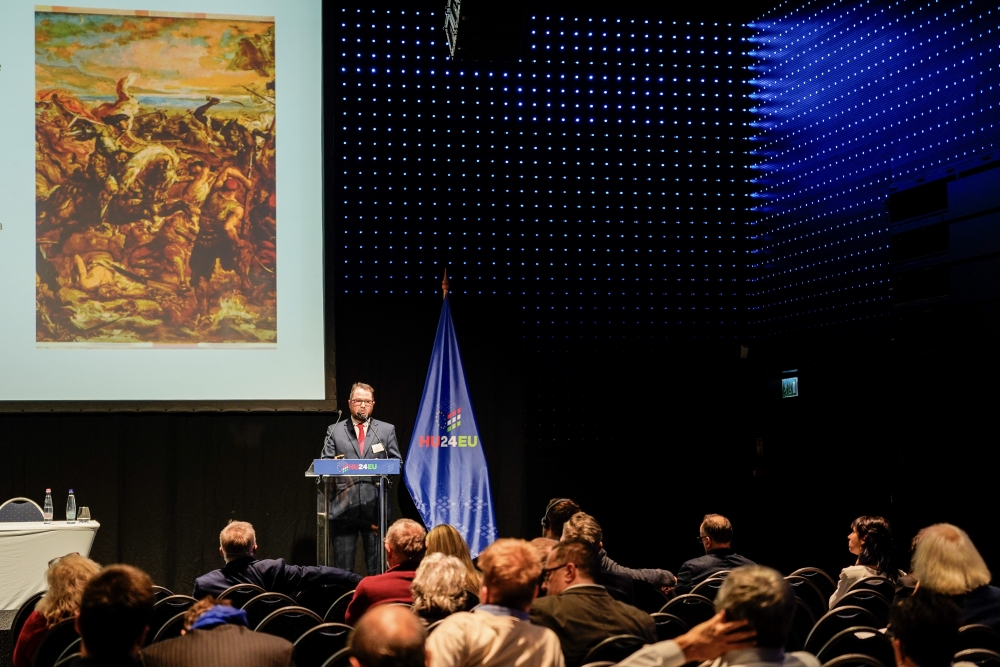
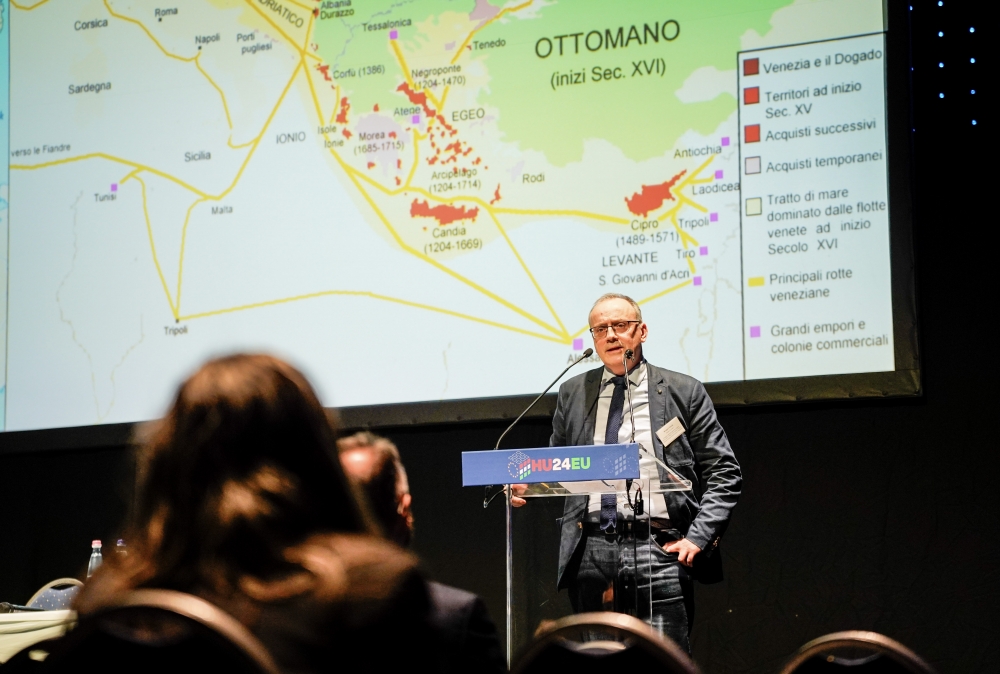
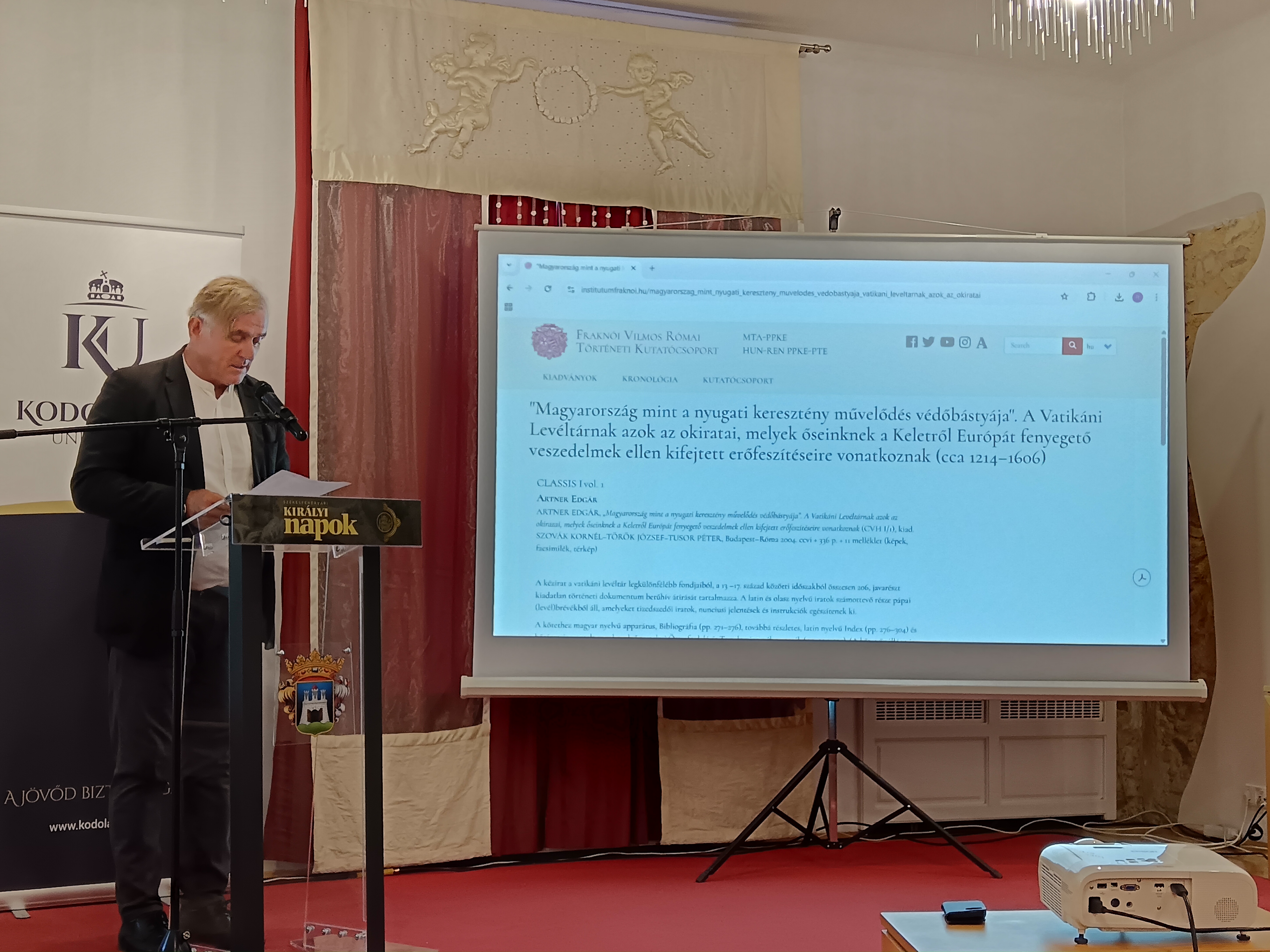
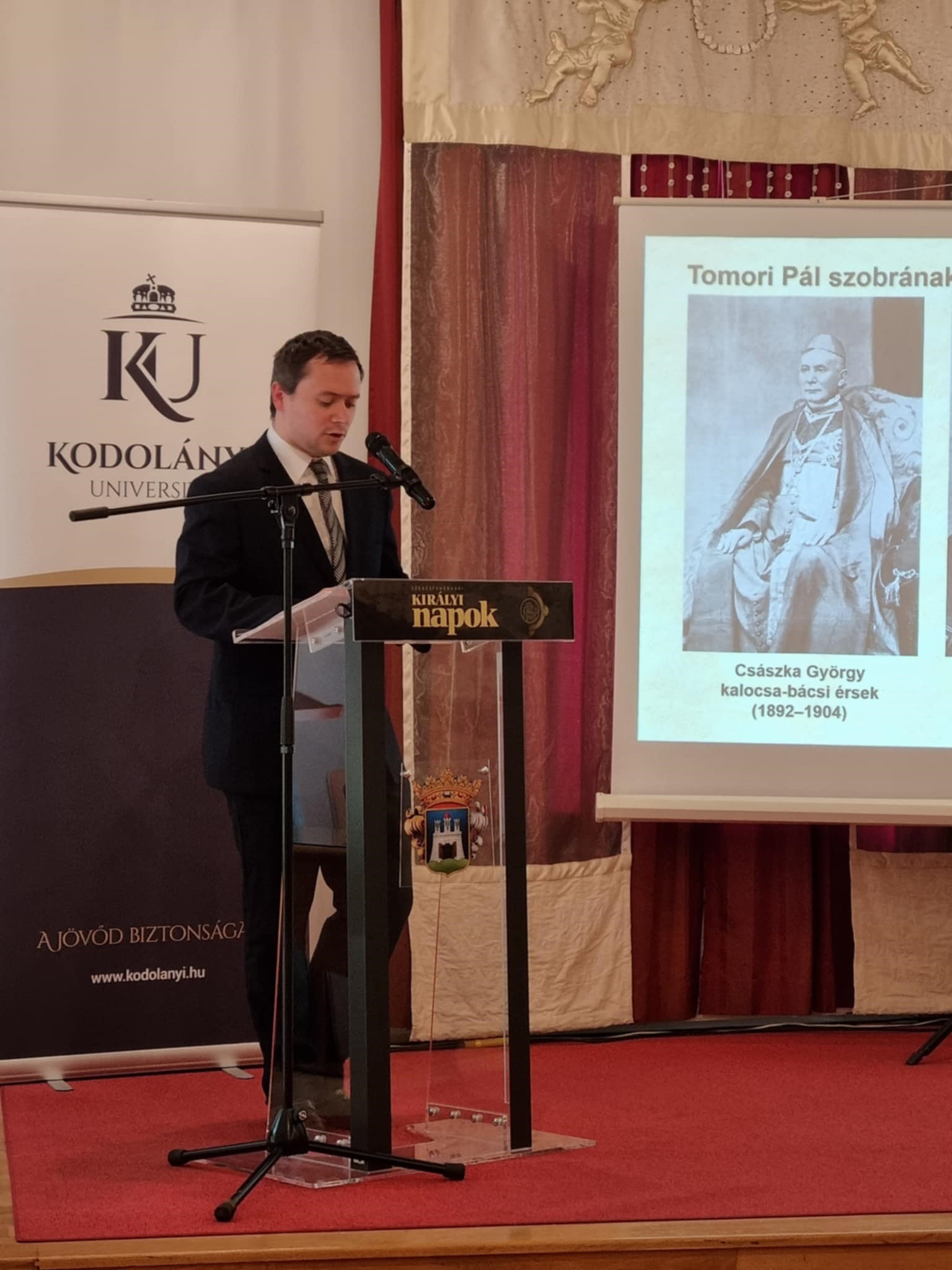
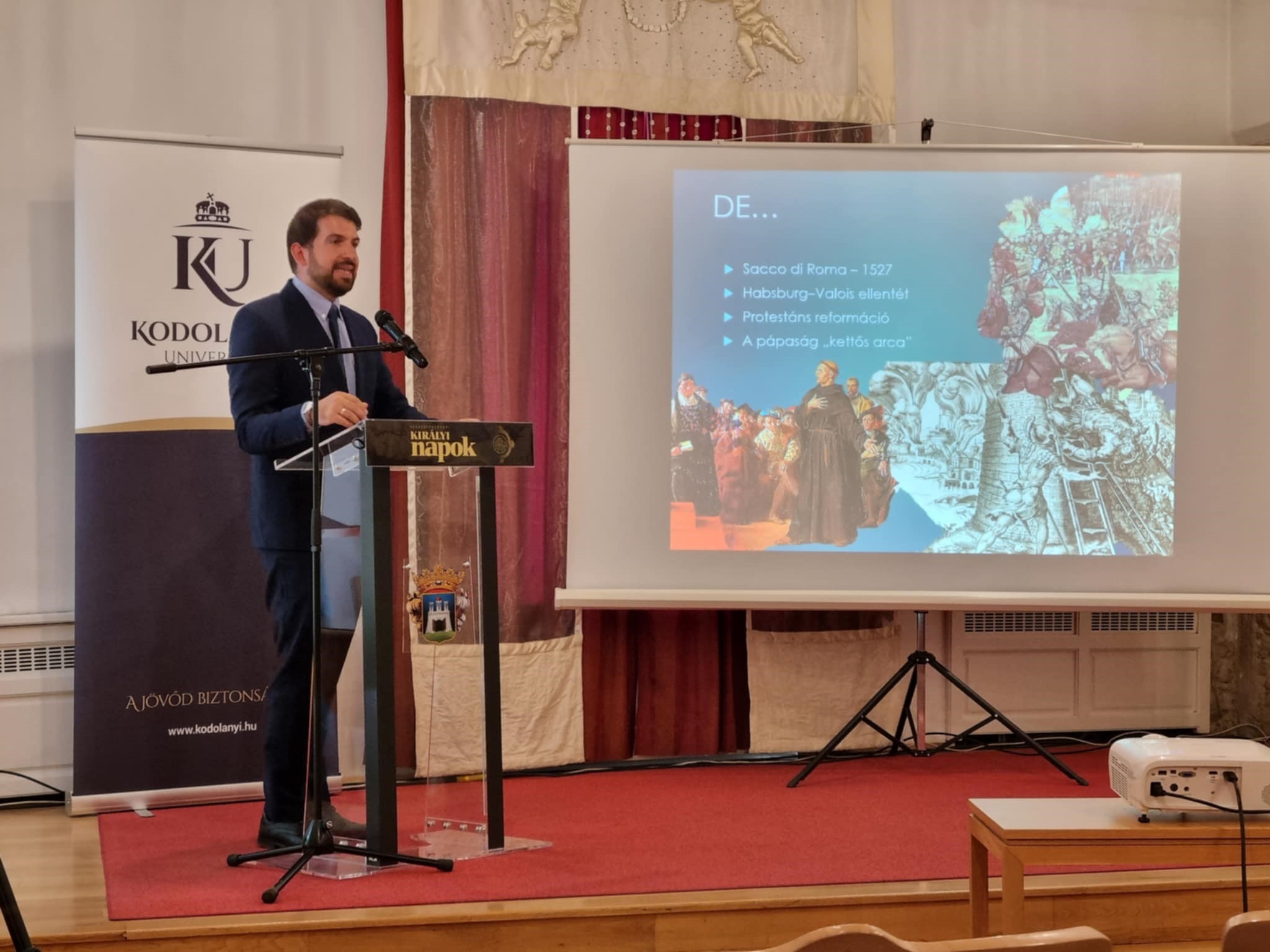
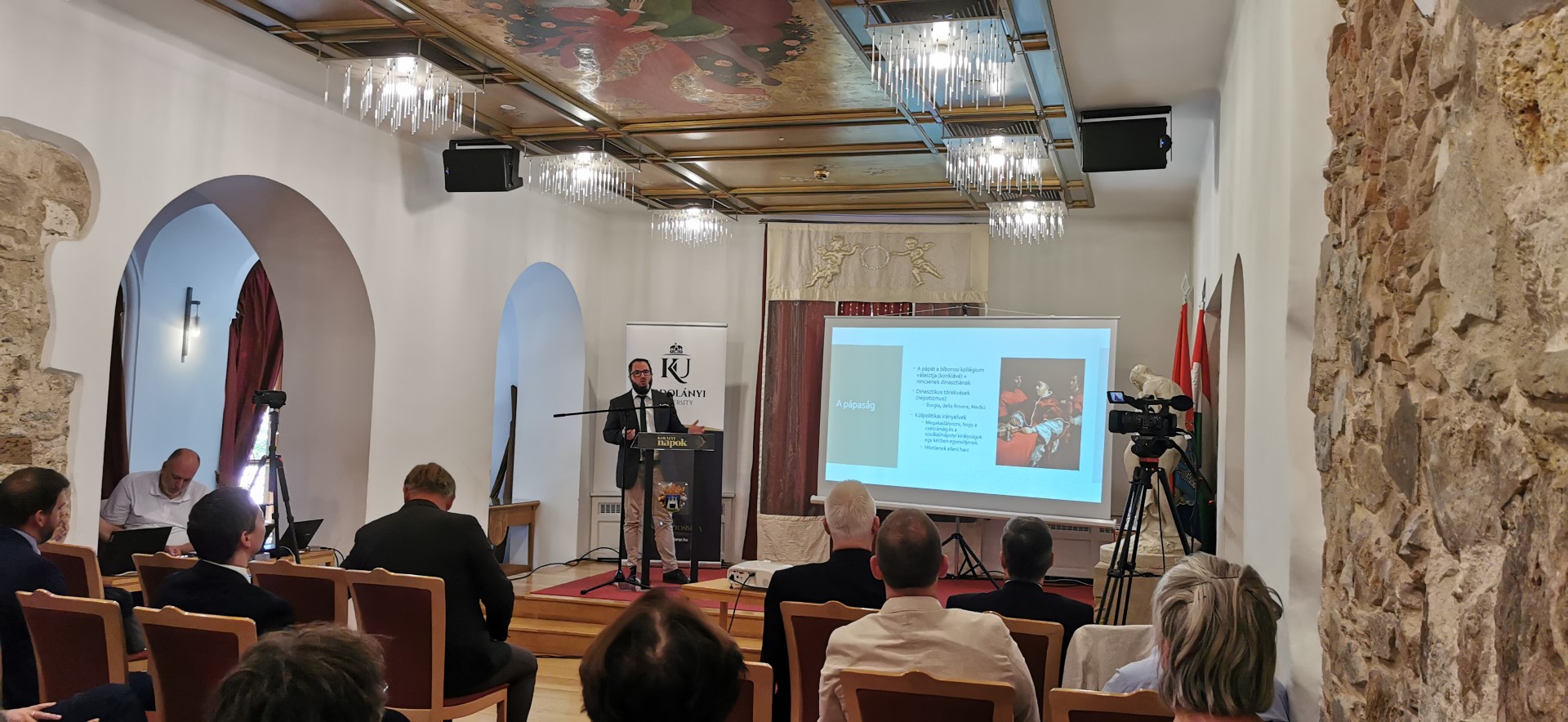
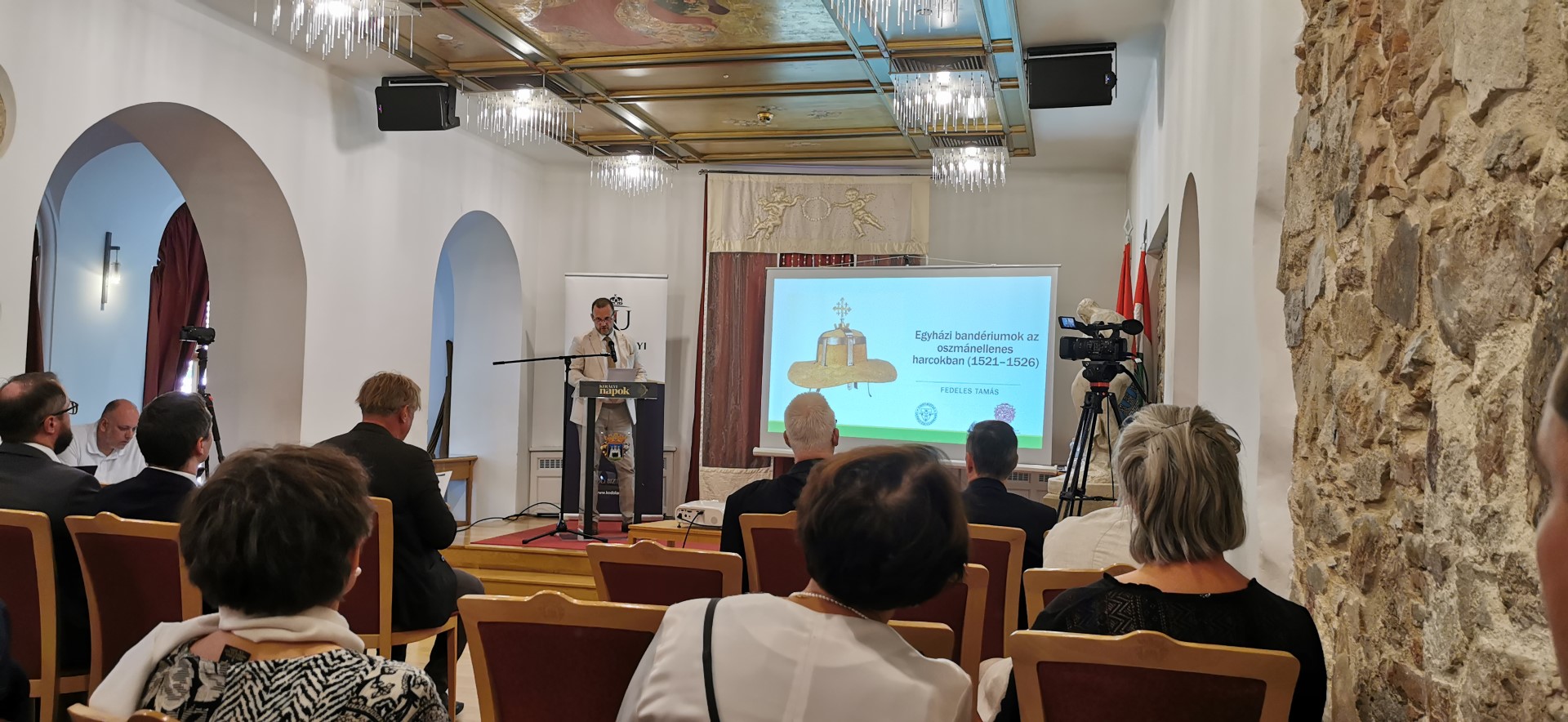
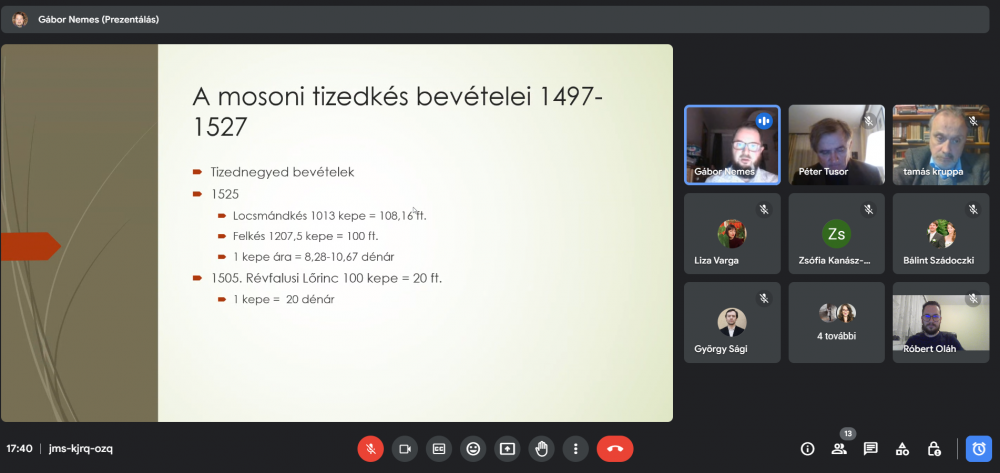
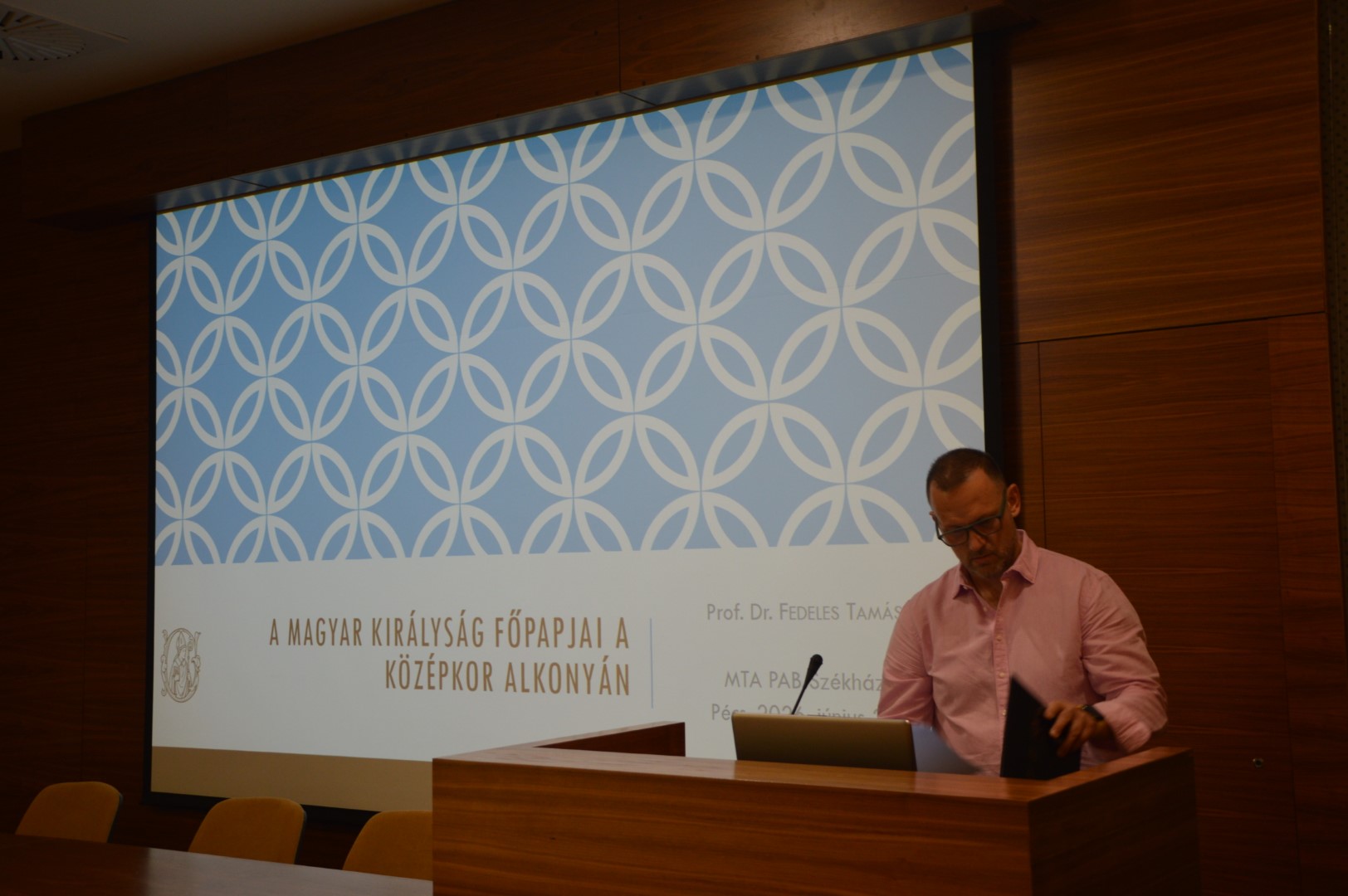
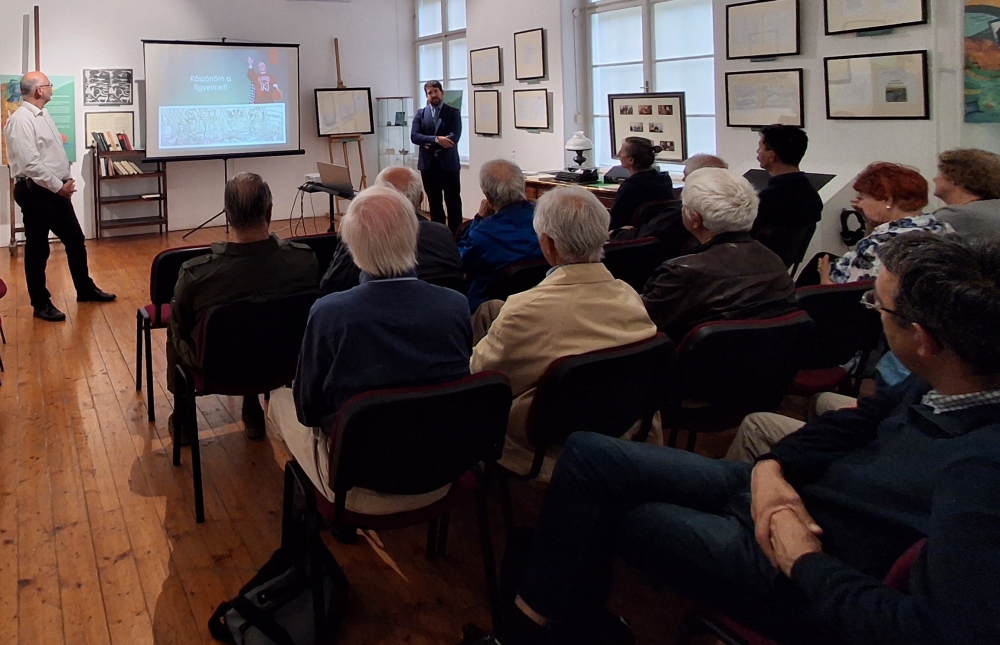
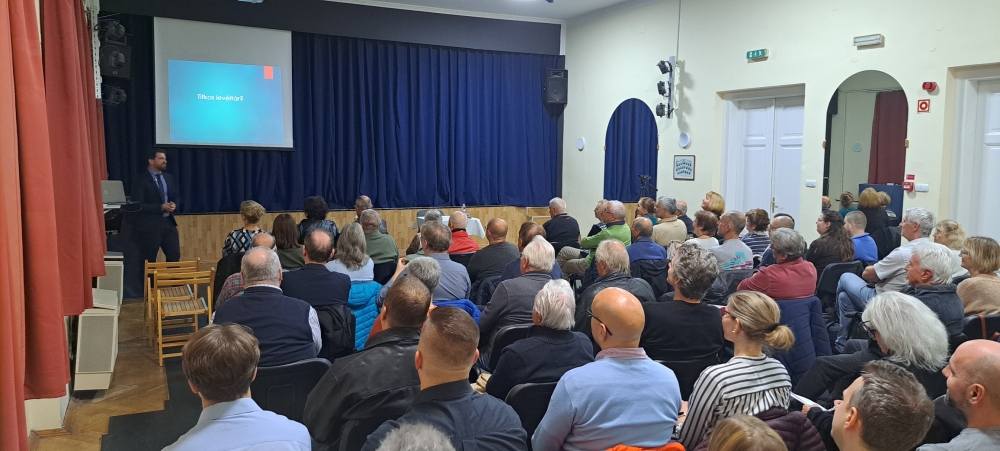
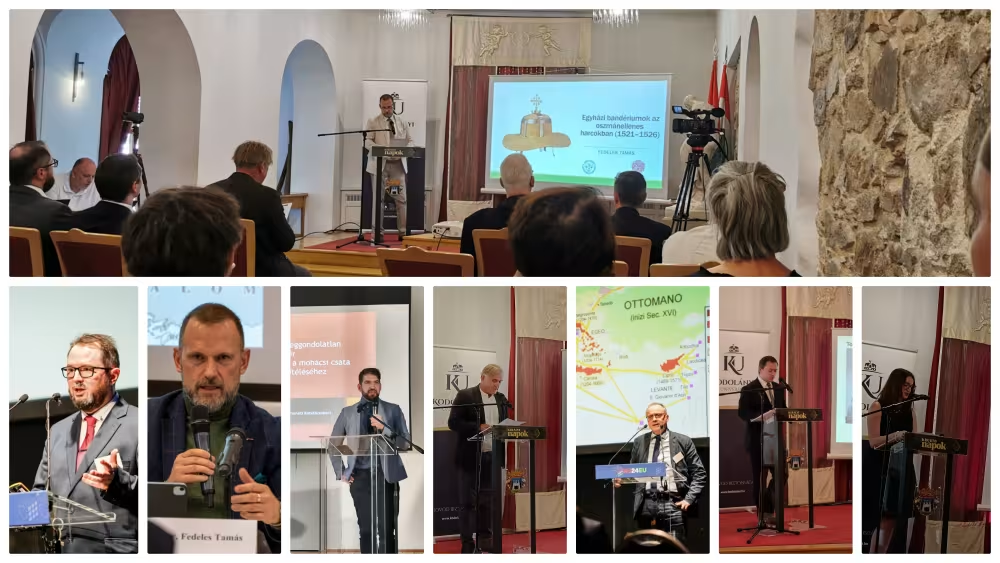
In addition, in the summer of 2025 members of the Research Group – Fedeles Tamás, Nemes Gábor, Kruppa Tamás, Kanász Viktor, Nagy Katalin, and Sági György – presented their research on the ecclesiastical-historical aspects of the Battle of Mohács at a series of conferences: a two-day conference held in Székesfehérvár, another two-day conference organised in Sárvár, a November conference at the headquarters of the Hungarian Academy of Sciences (MTA), and a further conference in Pécs in December. In Székesfehérvár, the head of the Research Group, Péter Tusor, also chaired a session and emphasised the comprehensive and pioneering character of these investigations, illustrating their significance through several examples. Written versions of the papers have been published in two conference volumes – one from Székesfehérvár and one from Sárvár – as well as in the latest special issue of Hadtörténelmi Közlemények devoted to Mohács.
The Research Group has also been involved as an organiser, while its members have regularly participated in the series of Mohács conferences held since 2016, including those in 2022, 2023, and 2024. The results of these conferences, including a total of eleven studies by members of the Research Group, have been published annually by Martin Opitz Kiadó and have now also been issued together in a uniform hardcover edition. In addition, in order to disseminate the results of their research, Fedeles Tamás, Nemes Gábor, Kruppa Tamás, and Kanász Viktor have delivered numerous scholarly and public lectures, published studies, and given interviews on the ecclesiastical-historical and Vatican aspects of the battle in recent years.
Finally, several manuscripts are already in the process of publication and are scheduled to appear by the conclusion of the anniversary year next August; they will also be made available on the Research Group’s website. These studies address, among other subjects, the practices of contemporary bishops and cathedral chapters in raising military contingents, the diplomatic initiatives of the papacy and its direct financial and military assistance, the impact of Venetian foreign policy, the role and historical memory of Nuncio Antonio Giovanni Burgio and Pál Tomori, the circumstances surrounding the death of King Louis II, and the Vatican aspects of the 2026 anniversary.
Through this body of research, we hope to have demonstrated not only to the scholarly community but also to a wider interested public that the history of the Kingdom of Hungary in this period – and the Battle of Mohács itself – cannot be fully understood or adequately presented without taking ecclesiastical history into account, and within it, the perspective offered by the Vatican sources. This insight, moreover, is relevant not merely to the present five-hundredth anniversary, but to the history of the entire period.