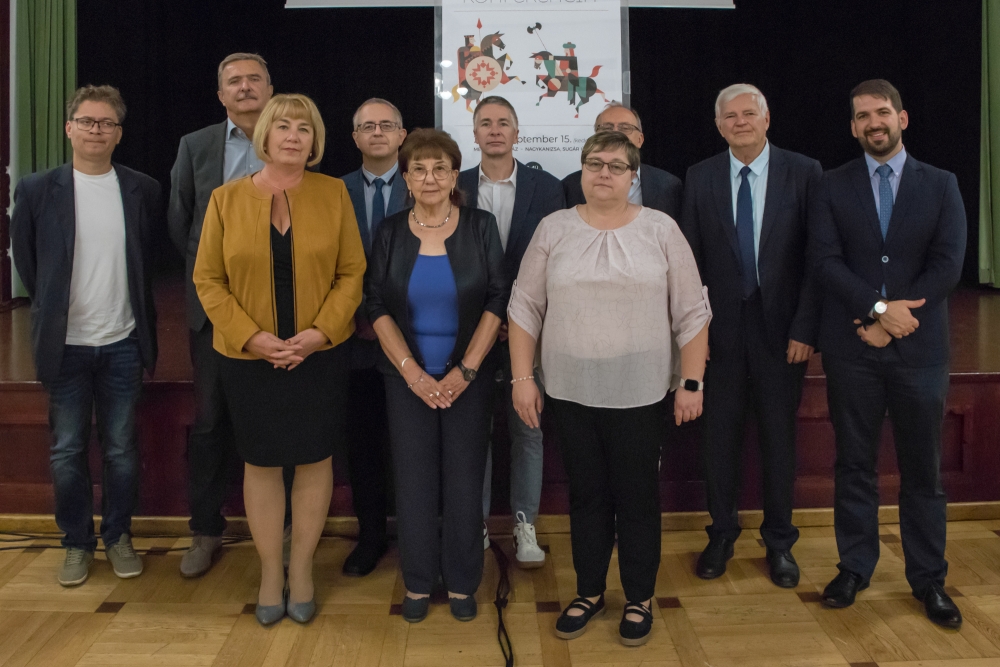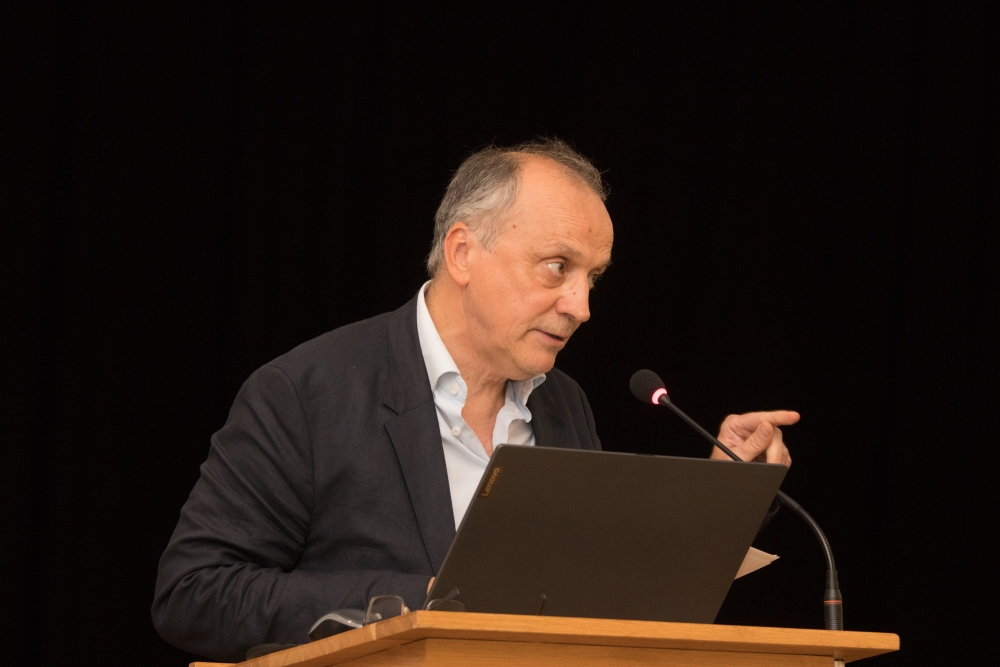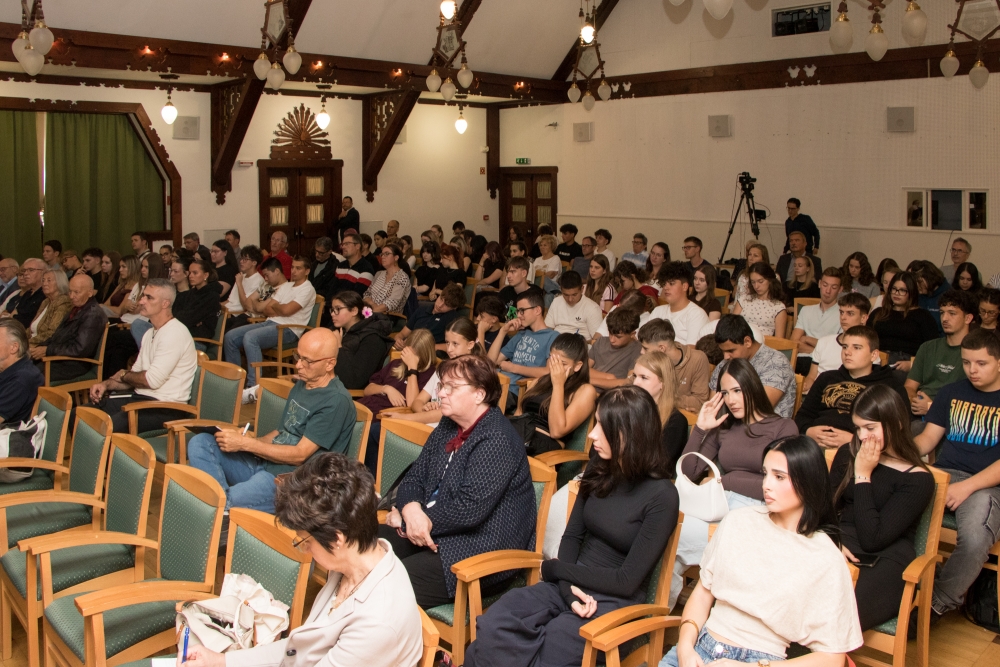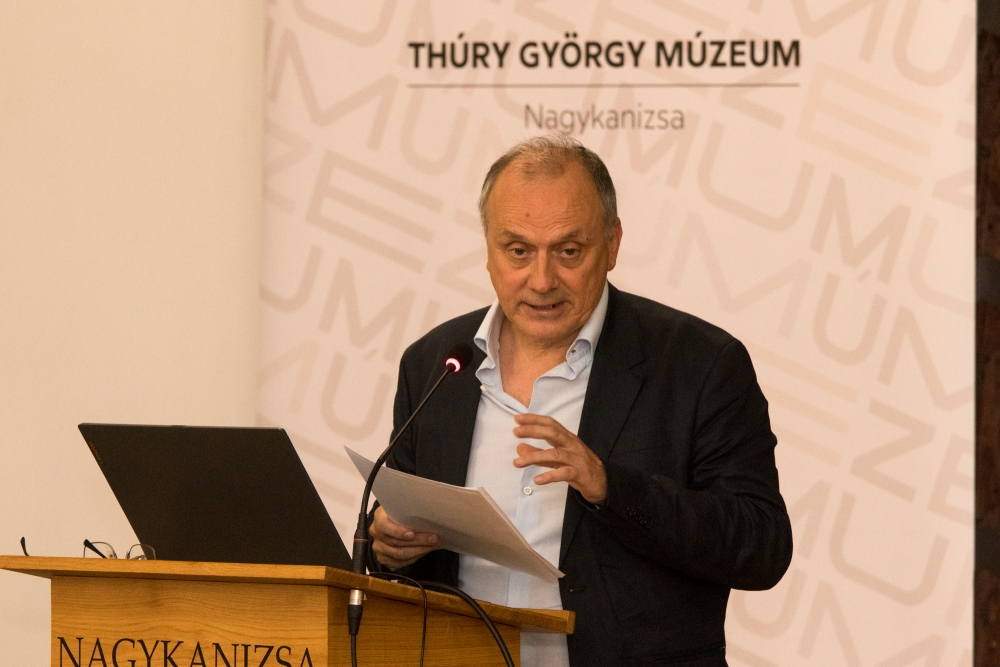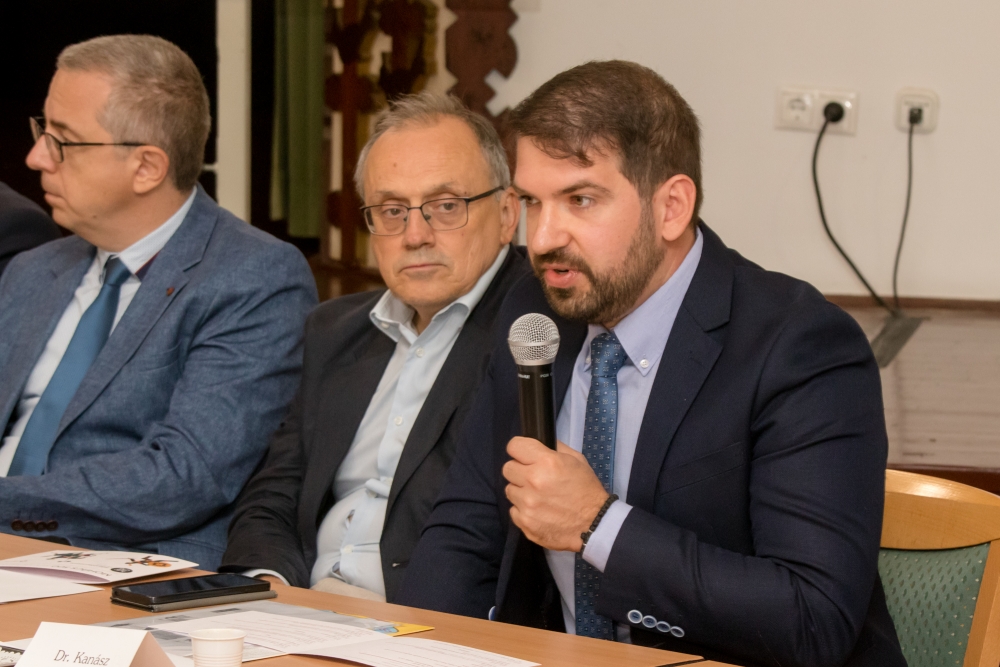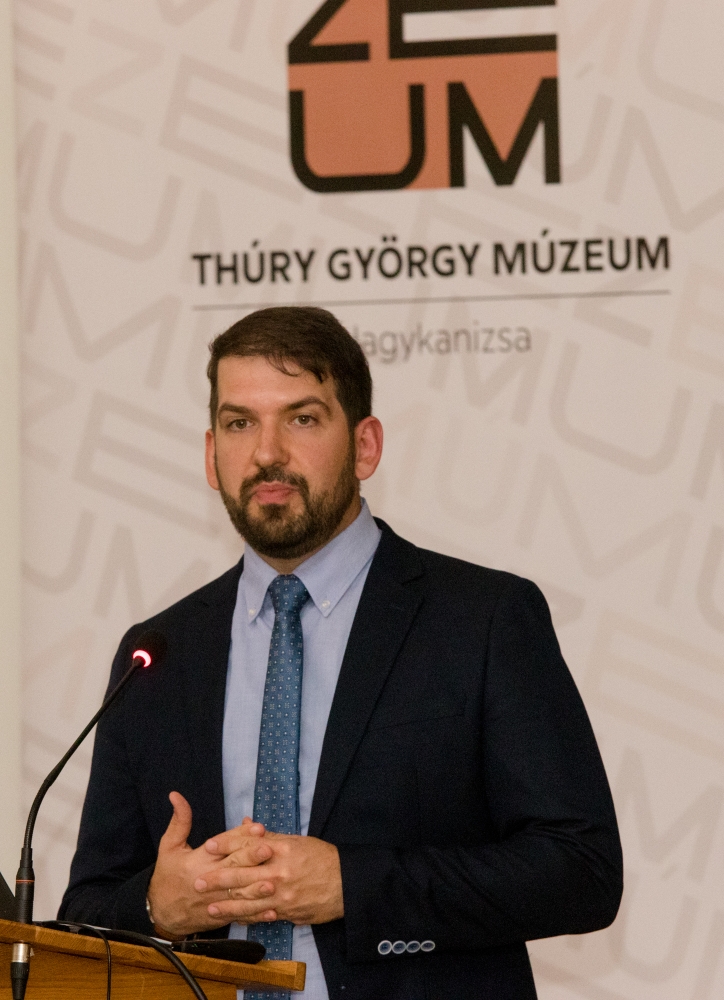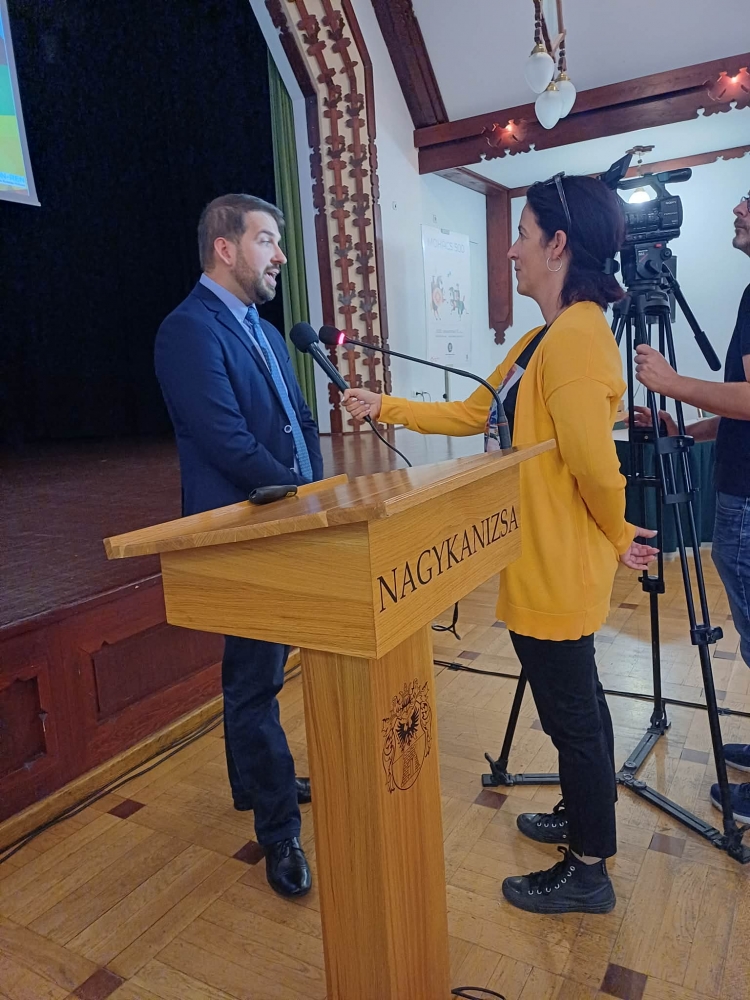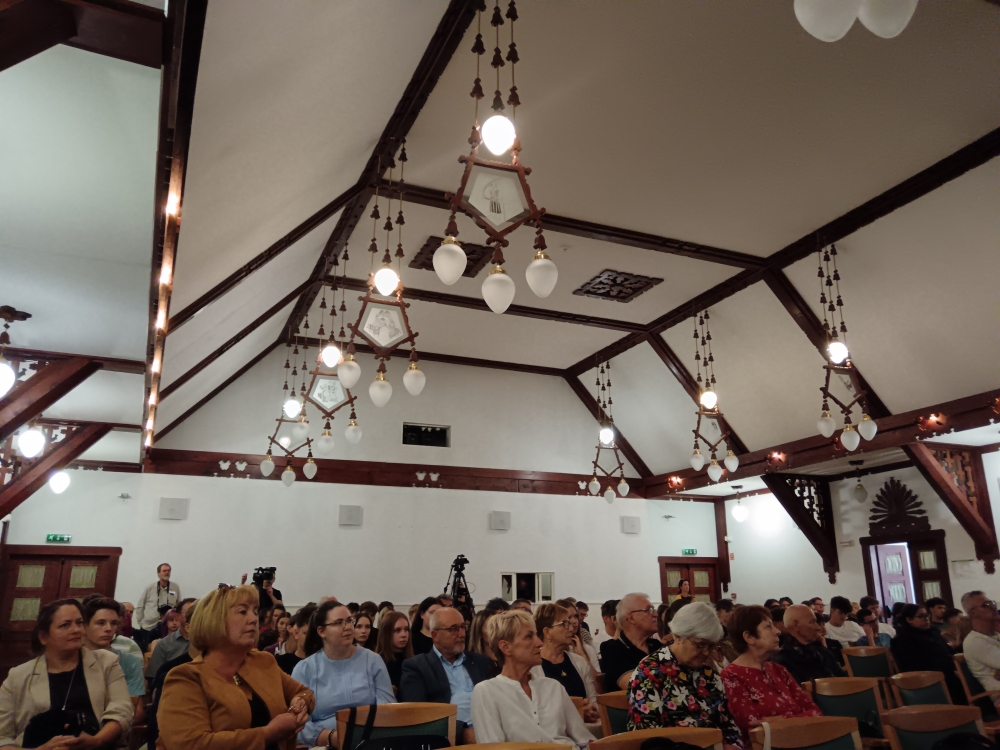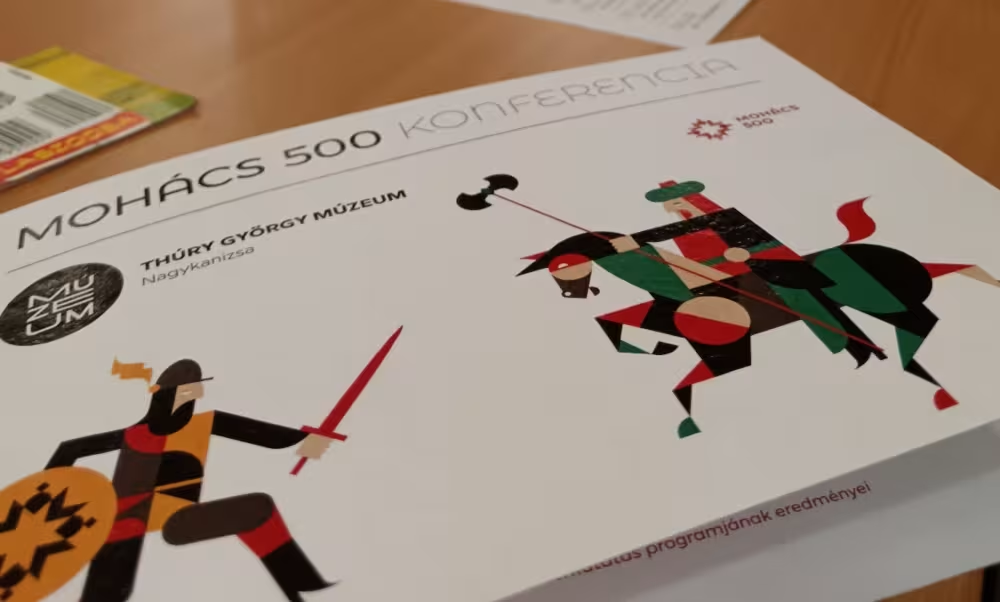
On 15 September 2026, the Thúry György Museum in Nagykanizsa organised a conference entitled Mohács 500 at the Medgyaszay House. The Fraknói Research Group, which has been actively involved in research on Mohács for several years, was represented at the event by Viktor Kanász and Tamás Kruppa, who both delivered lectures.
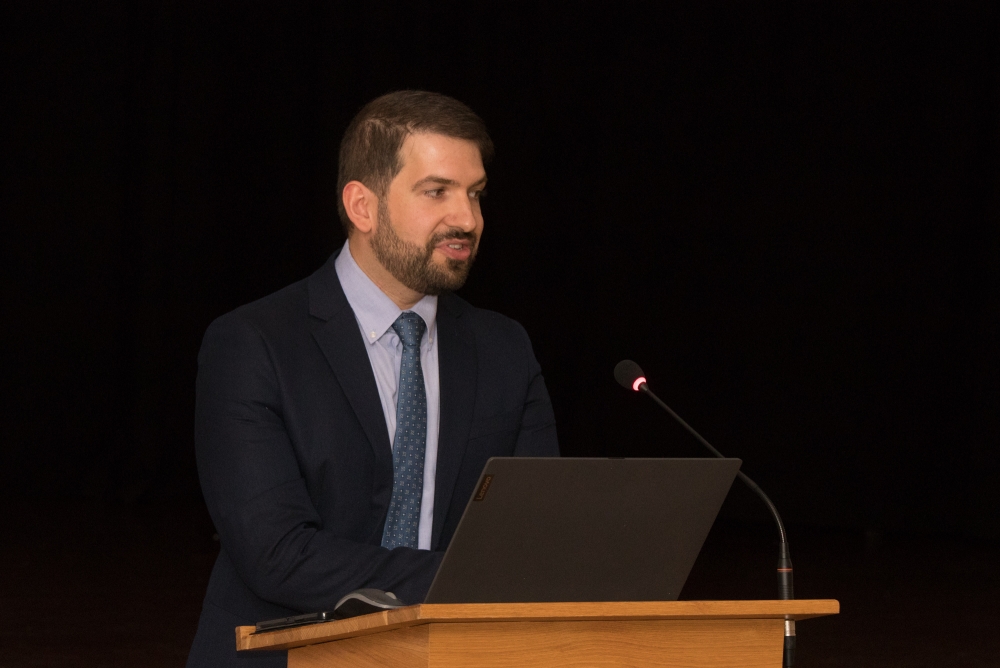
Viktor Kanász presented Nuncio Burgio’s relations with the Hungarian magnates in the months following the Battle of Mohács and, drawing on newly discovered sources, discussed his attempt to return to Hungary in 1527—an important yet little-known episode in Hungarian–Holy See relations in the aftermath of the battle. The Holy See in Rome intended to send Burgio to Hungary once again, this time to John Szapolyai, in order to represent papal policy. However, the changed diplomatic and military circumstances—not least the opposition of Ferdinand I of Habsburg and the dangers associated with the routes—ultimately prevented the mission from taking place. The published sources, together with those newly uncovered, have not only made it possible to reconstruct Burgio’s attempted journey, but have also contributed to a better understanding of the network of relations between the Holy See, the Habsburgs, and John Szapolyai, as well as the diplomatic history of the first months following Mohács.
In his lecture, Kanász also showed that, although Burgio left Hungary after the Battle of Mohács, he maintained continuous contact with the Hungarian magnates whom he had come to know during his mission in Buda, despite the increasingly difficult conditions for correspondence. Among them were István Brodarics, Ferenc Batthyány, Pál Várday, Tamás Nádasdy, and János Bornemisza. While the Nuncio remained interested in developments in Hungary, the Hungarians sought his assistance in dealing with their affairs in Rome, as exemplified particularly well by the embassy of Tamás Kamarjai. One of Burgio’s—and the Pope’s—important objectives was to reconcile John Szapolyai and Ferdinand. At the same time, the increasingly strained relations between Clement VII and the Habsburg brothers can be discerned in the background, culminating in the Sack of Rome and also affecting the possibilities available to papal diplomacy in Hungary.
Tamás Kruppa delivered a lecture entitled Hungarian–Ottoman Peace Negotiations before Mohács: Contributions to the History of the Failed Hungarian–Ottoman(-Venetian) Peace Agreement of 1511. Drawing on Venetian sources, he offered an original perspective on this important aspect of diplomacy during the Jagiellonian period.
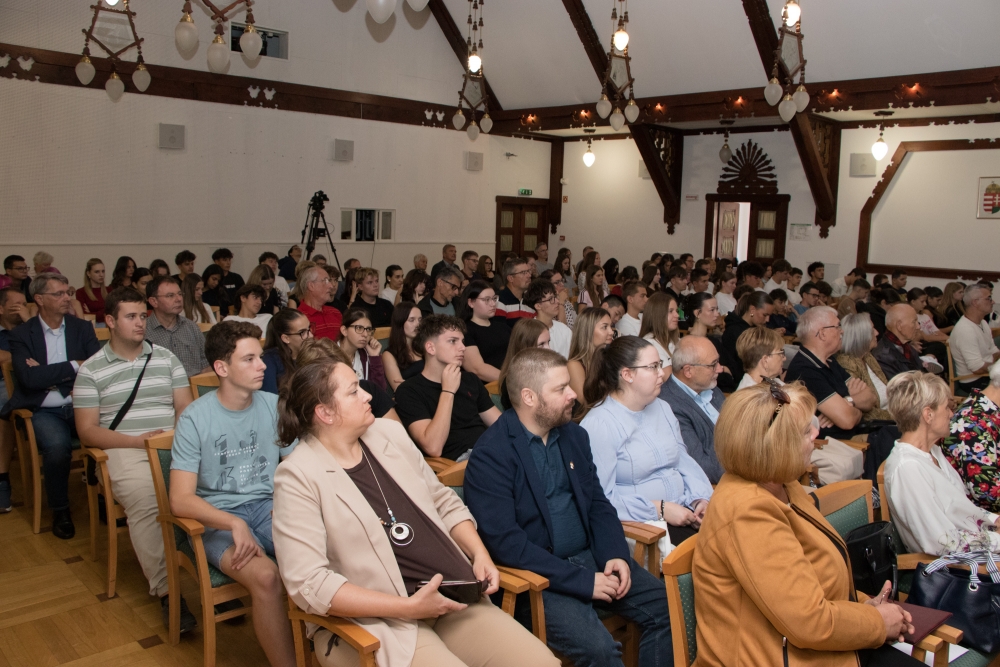
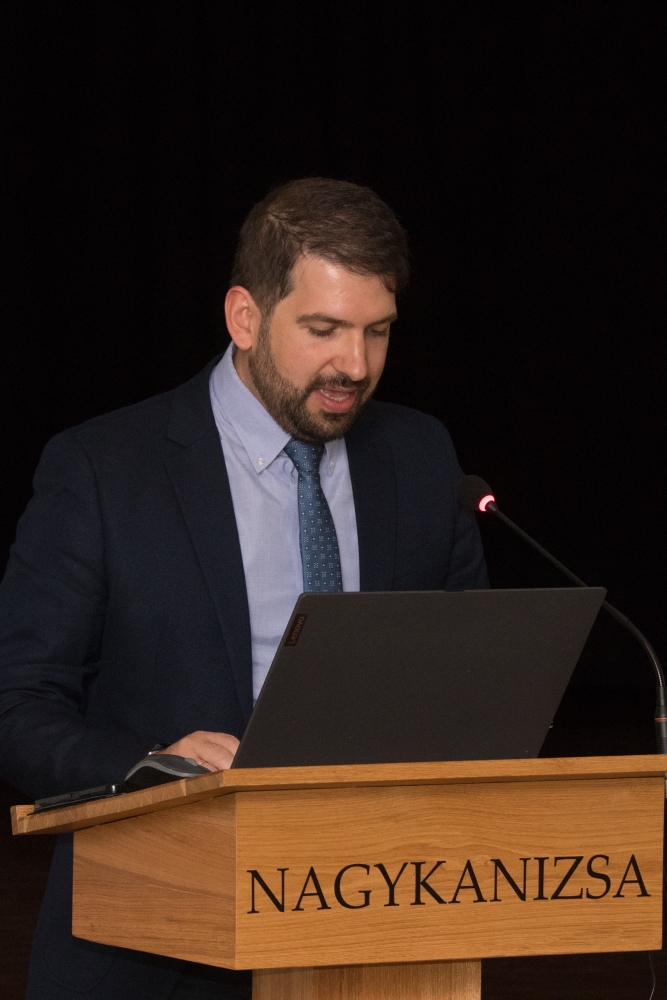
The conference, which attracted considerable interest and generated lively scholarly discussion, featured several sessions chaired by Viktor Kanász, who was also involved in organising the symposium. In his opening remarks, he highlighted the importance of the Battle of Mohács in the historical memory of the city through the figure of Dorottya Kanizsai, and discussed the numerous misconceptions that have accumulated in earlier local historical scholarship concerning her and the battle. (See here)
The lectures will also be available to watch online in the near future.
(Pictures: Zoltán Hohl)
Downloads