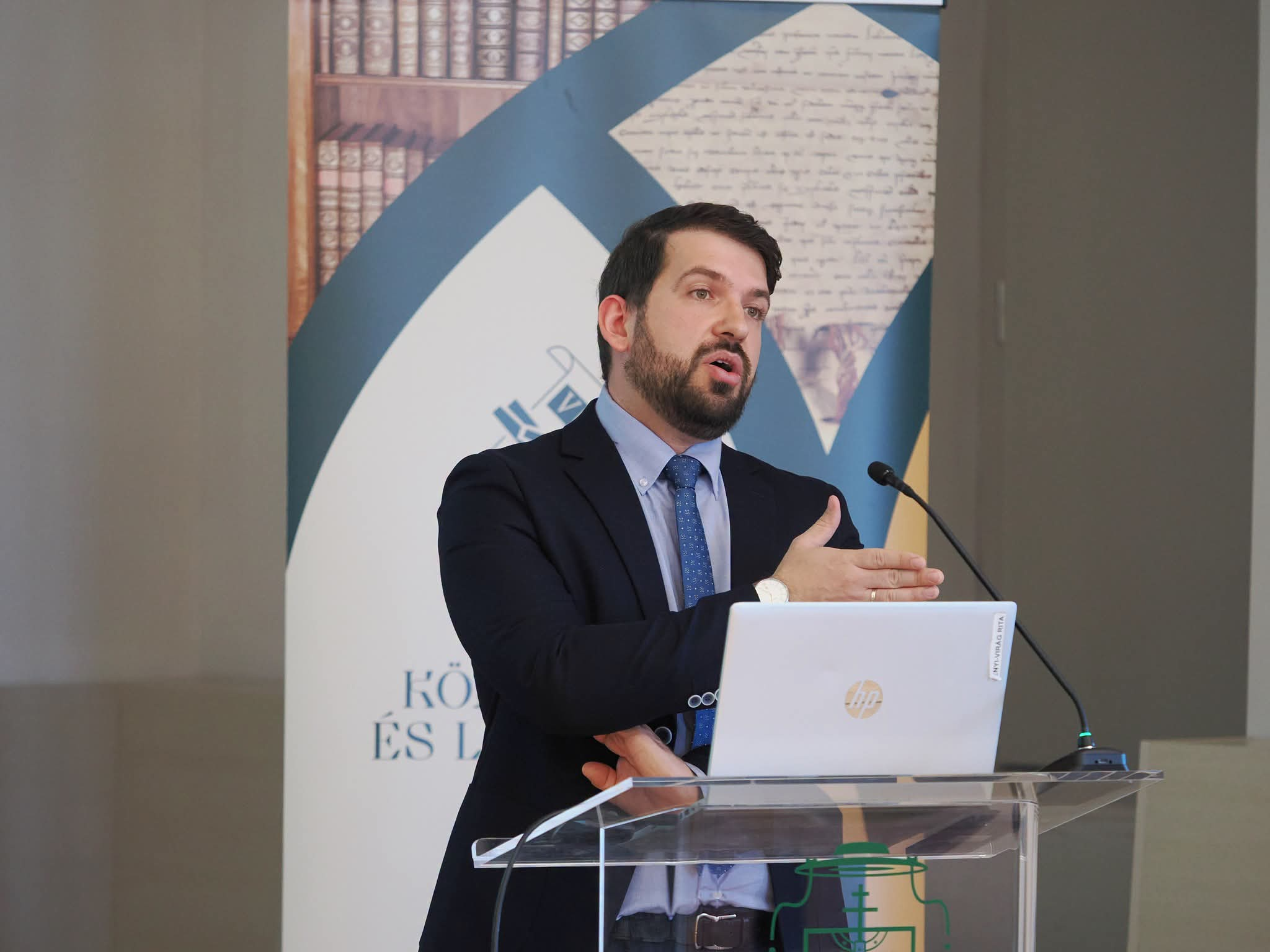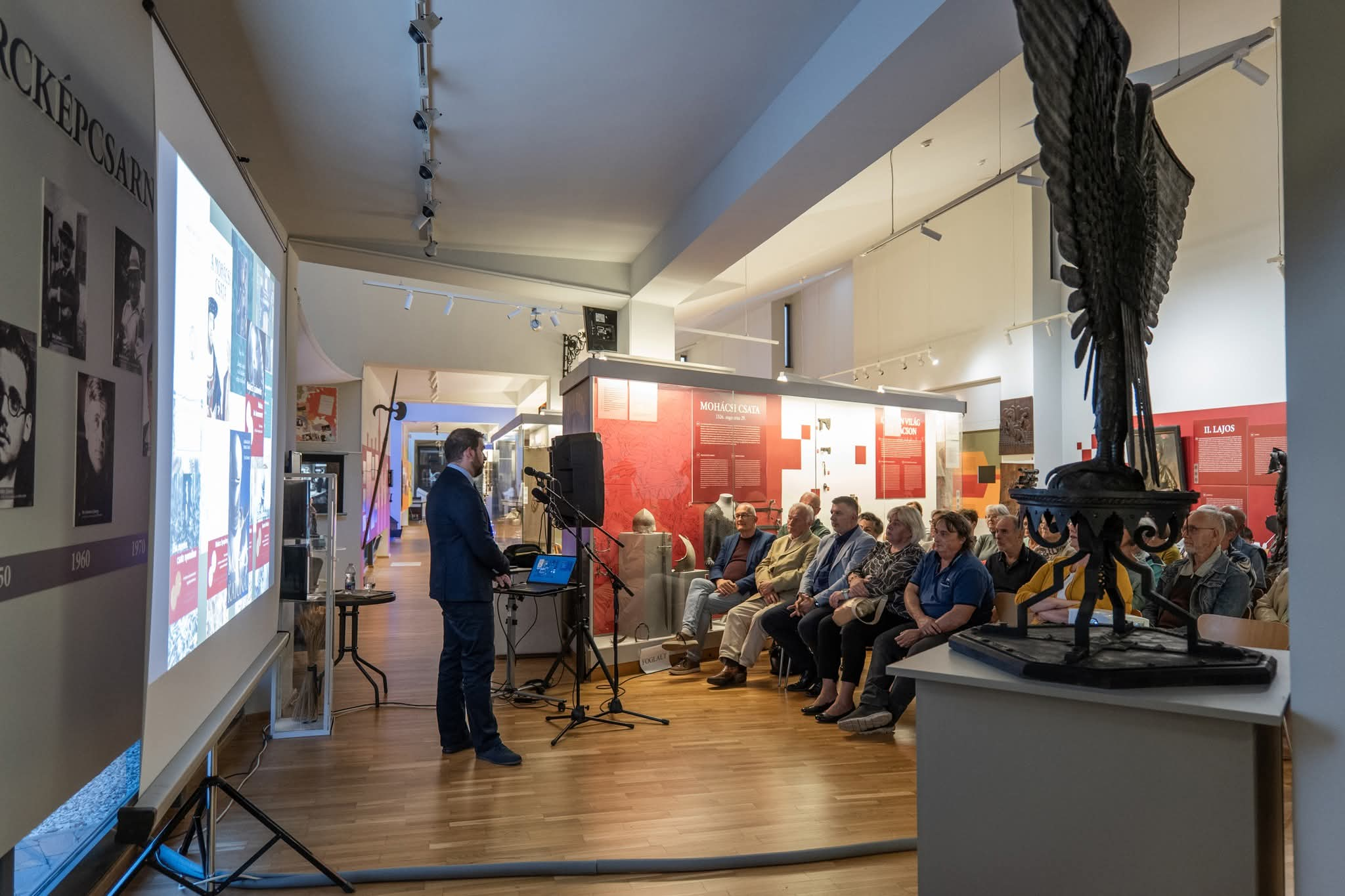
The Fraknói Research Group’s primary focus is conducting exploratory archival research, above all in the Vatican collections, and, in connection with this, the scholarly investigation of the history of relations between Hungary and the Apostolic See. At the same time, the Research Group considers the dissemination of its findings equally important; accordingly, its members regularly give lectures as part of their efforts to communicate scholarly research to a wider audience.
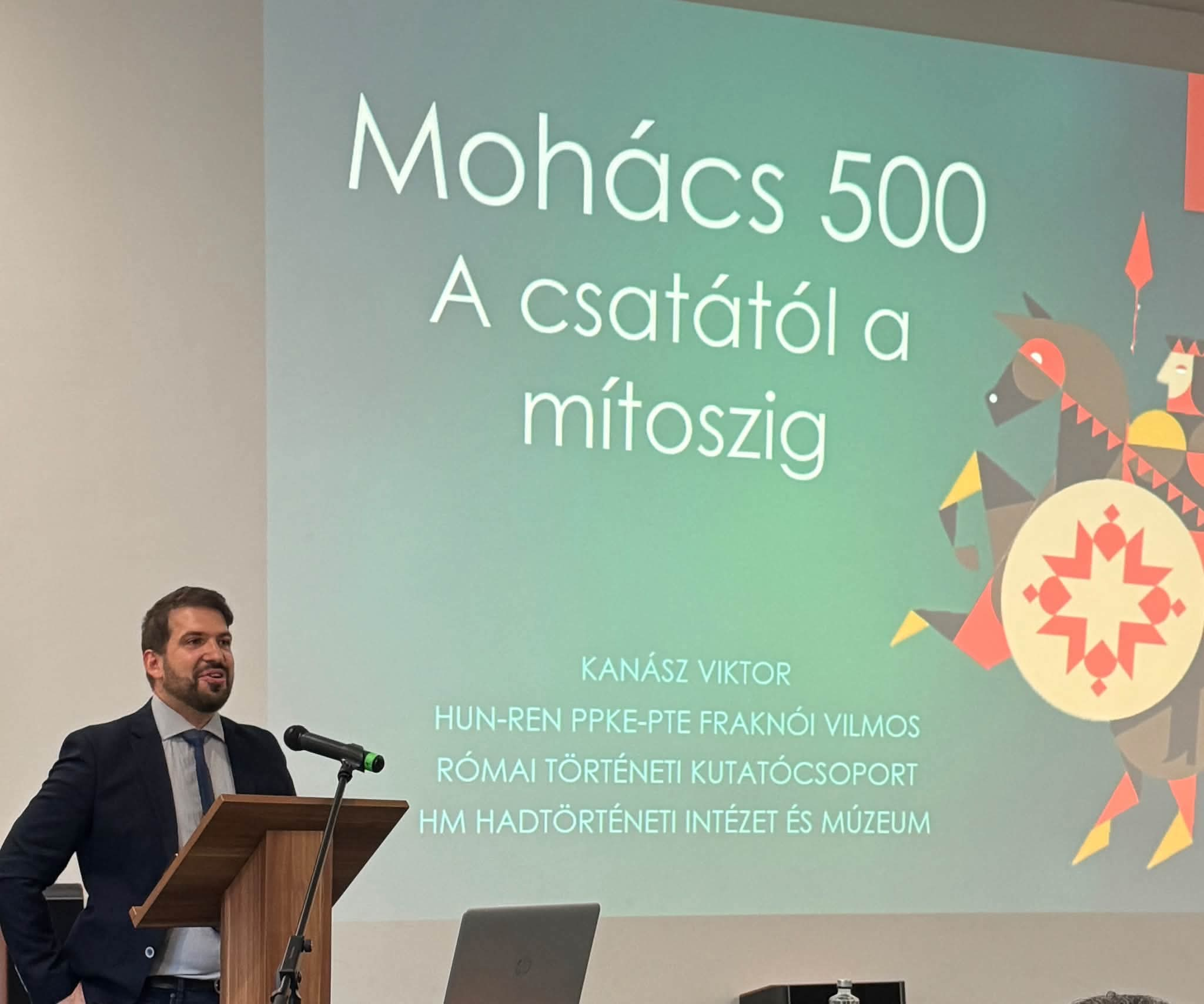
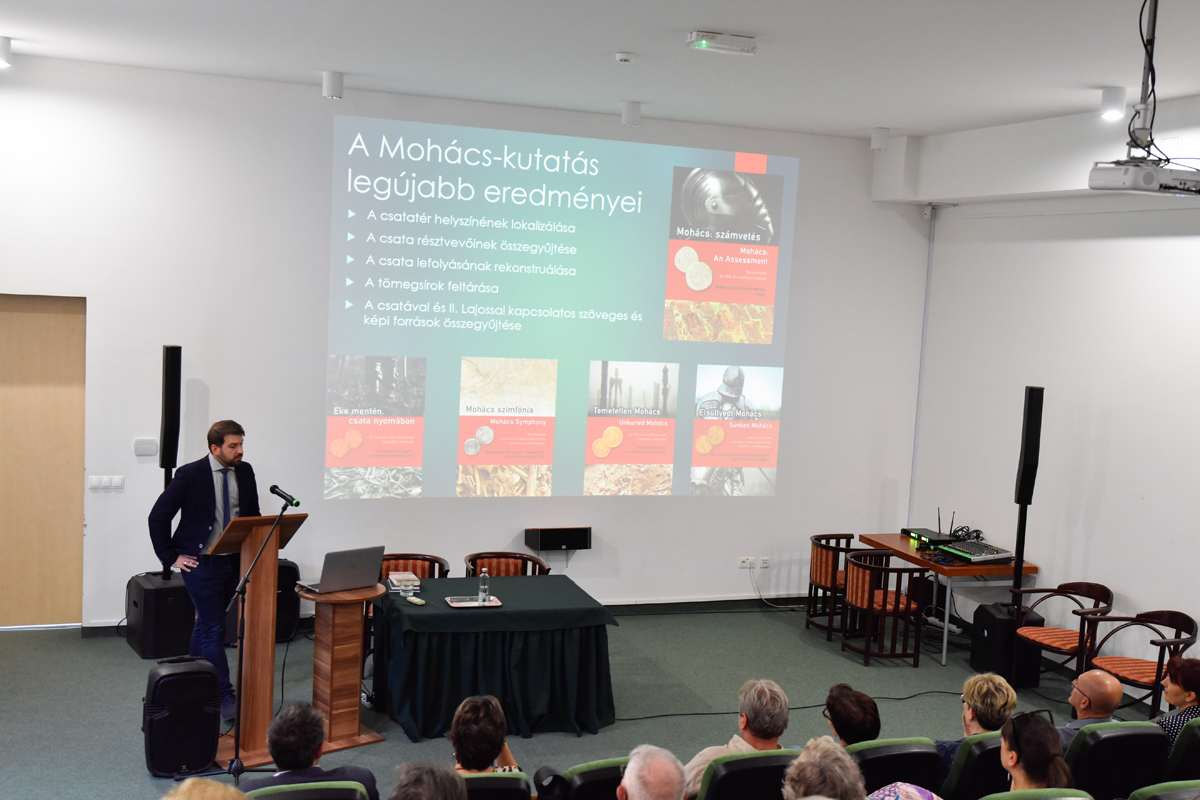
The members of the Research Group also played an active role in the commemorations marking the 500th anniversary of the Battle of Mohács. The subject, however, has remained relevant beyond the anniversary itself on 29 August, and public interest has not waned; consequently, events relating to Mohács have continued throughout the autumn. In this context, Viktor Kanász, Research Fellow of the Group, has delivered several lectures over the past two months.
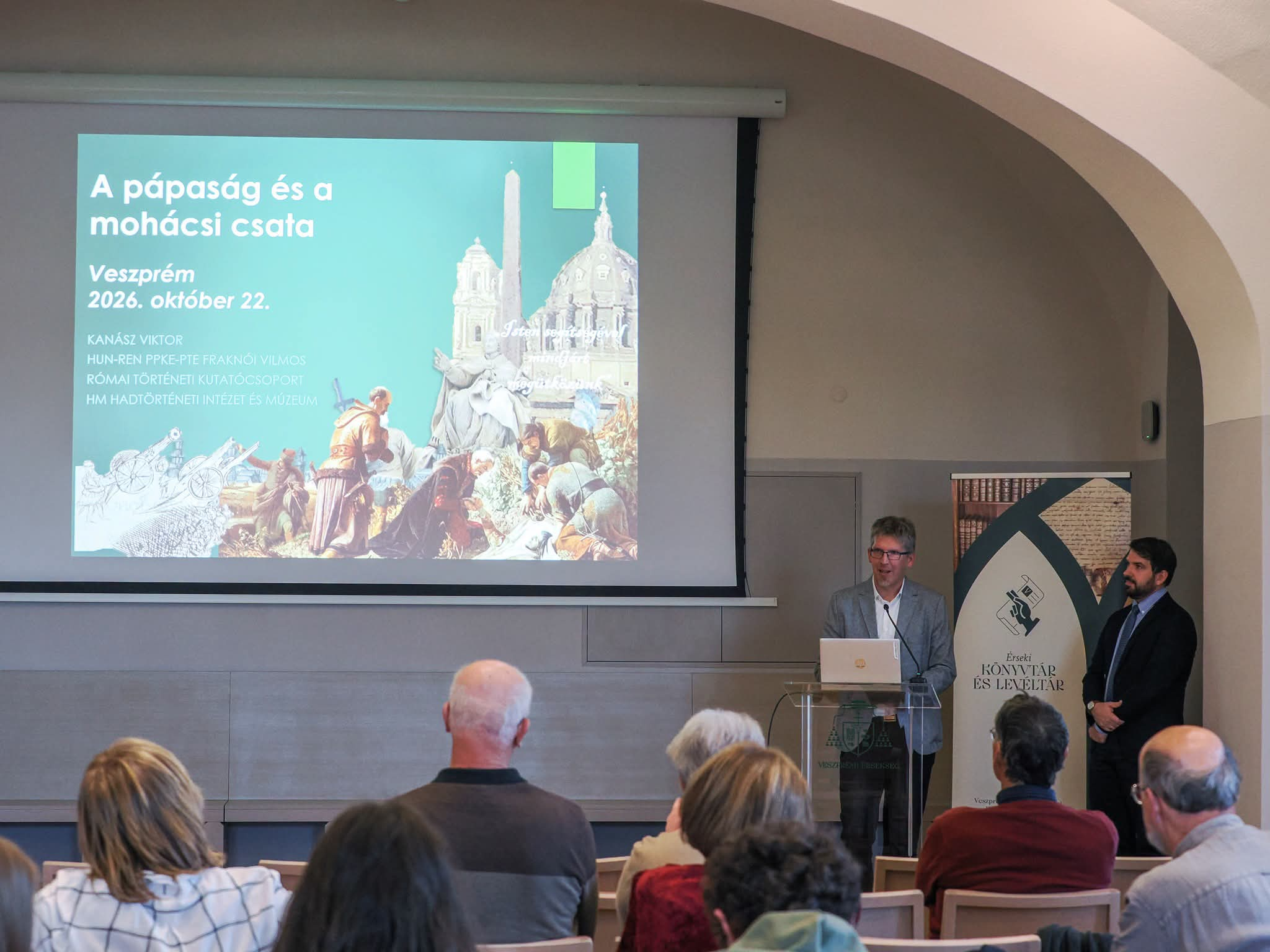
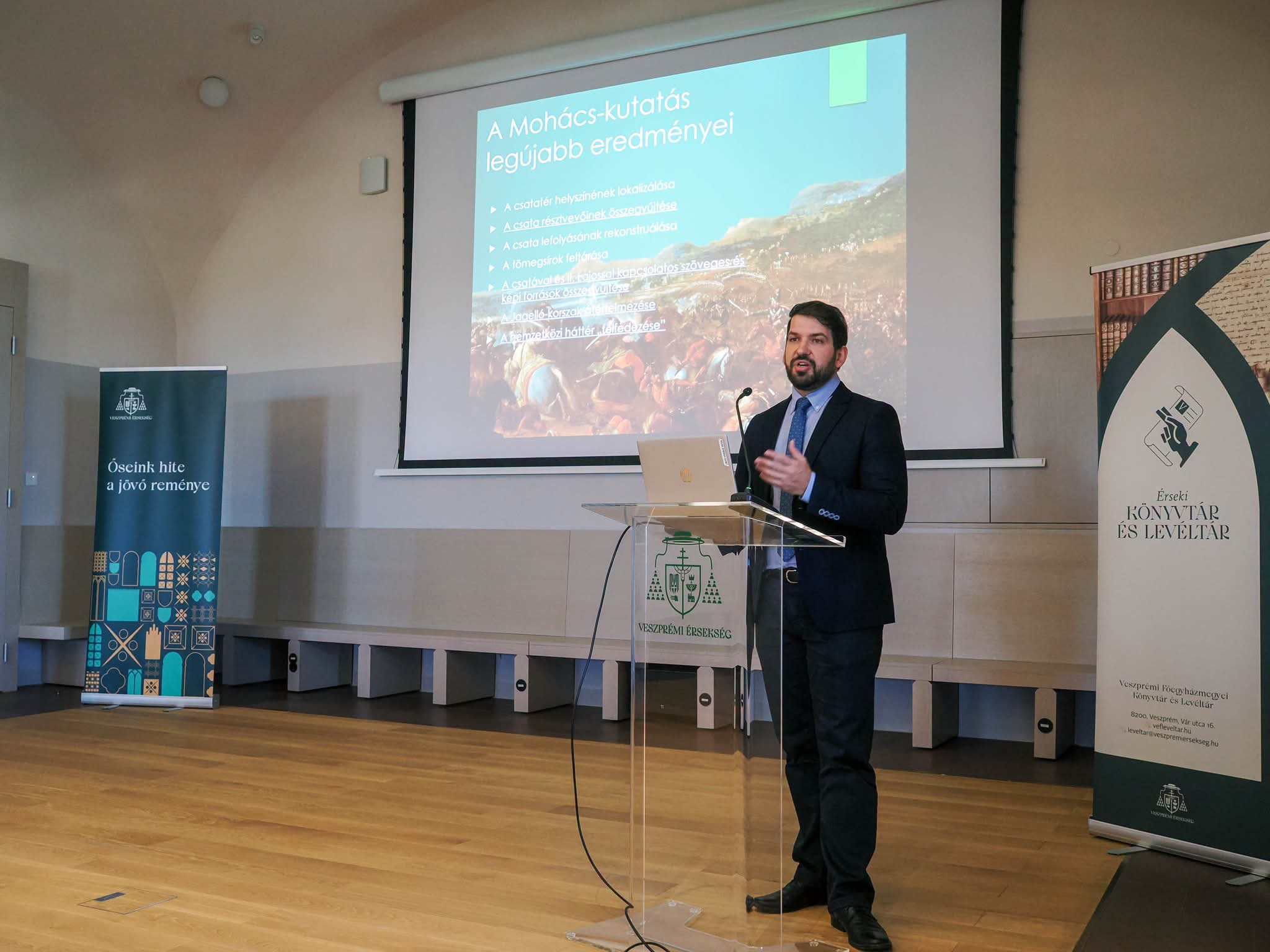
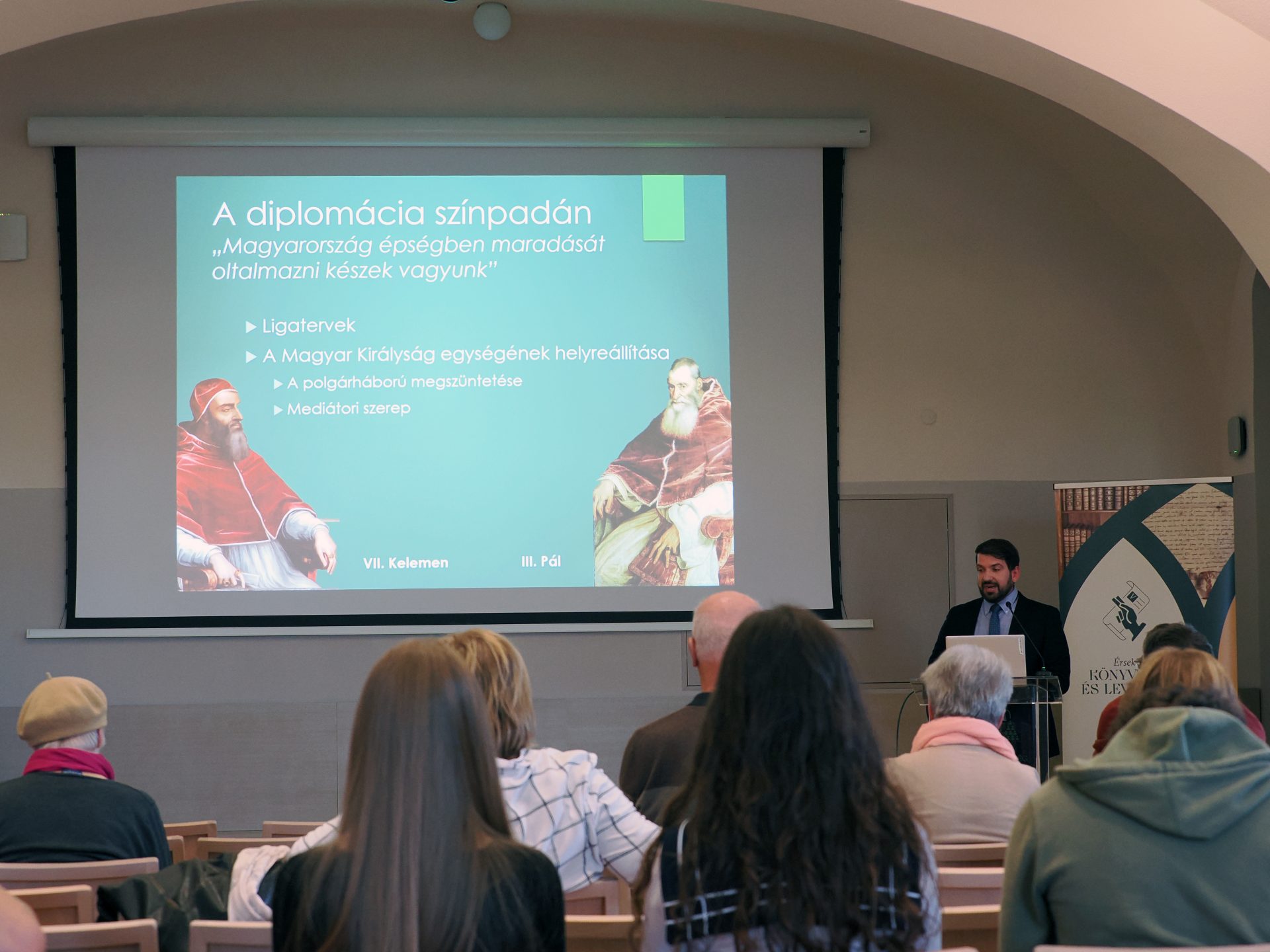
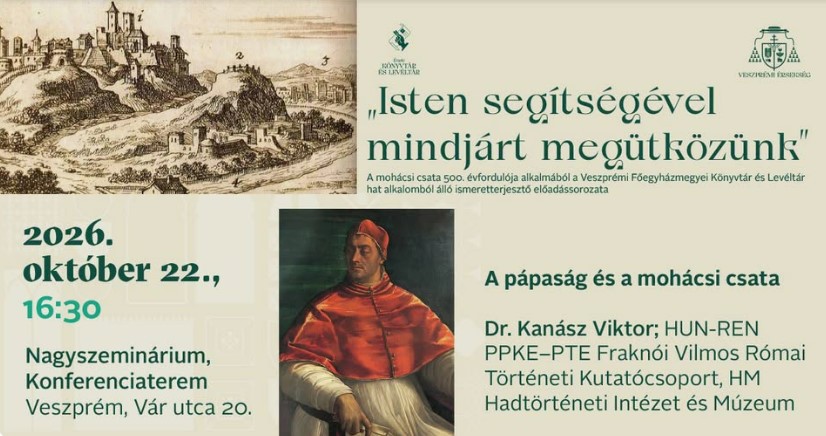
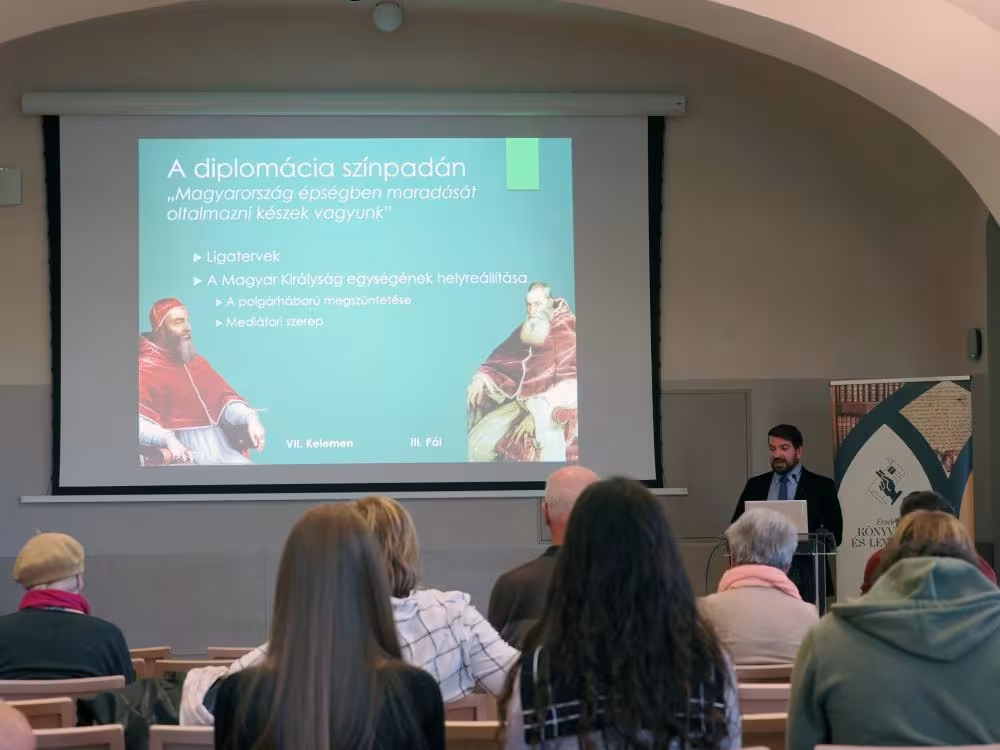
As part of the lecture series Mohács 500 – ‘With God’s Help, We Shall Engage the Enemy at Once’, organised by the Library and Archives of the Archdiocese of Veszprém, Kanász spoke at Veszprém Castle on 22 October, following Tamás Fedeles’s lecture in late September (read more). His lecture, entitled The Papacy and the Battle of Mohács, examined the diplomatic, financial and military assistance provided by the papacy to the Kingdom of Hungary in its struggle against the Ottomans. Tracing the history of this assistance from the Battle of Varna to the liberation wars, he placed the events of 1526 within the context of developments spanning several centuries and discussed their Roman connections, focusing in particular on the fate of papal subsidies and the history of the troops recruited by Nuncio Burgio. He also addressed the nuncio’s attempt to return to Hungary in 1527 and his correspondence with Pál Várday concerning the annates due from the Diocese of Veszprém.
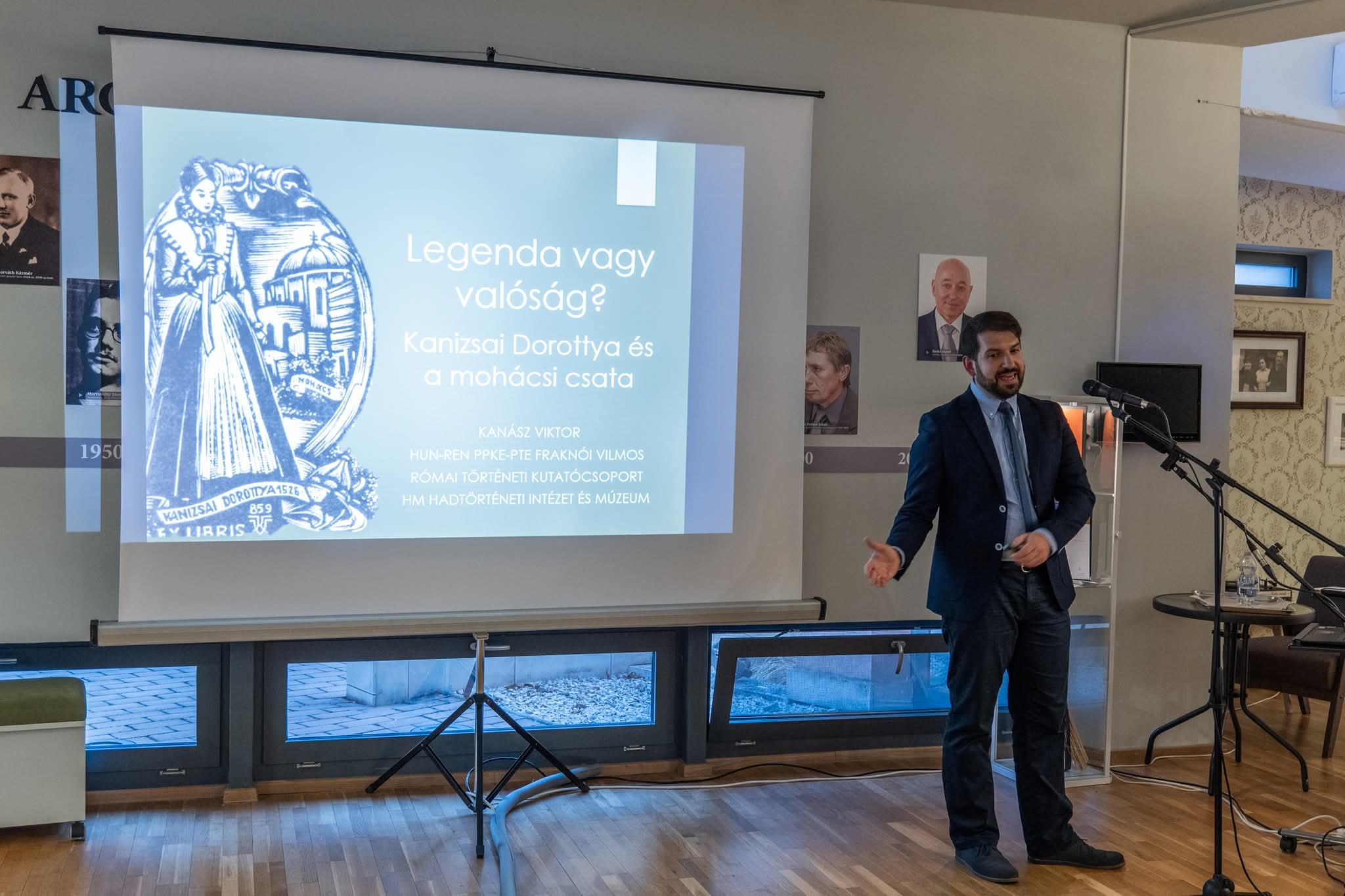
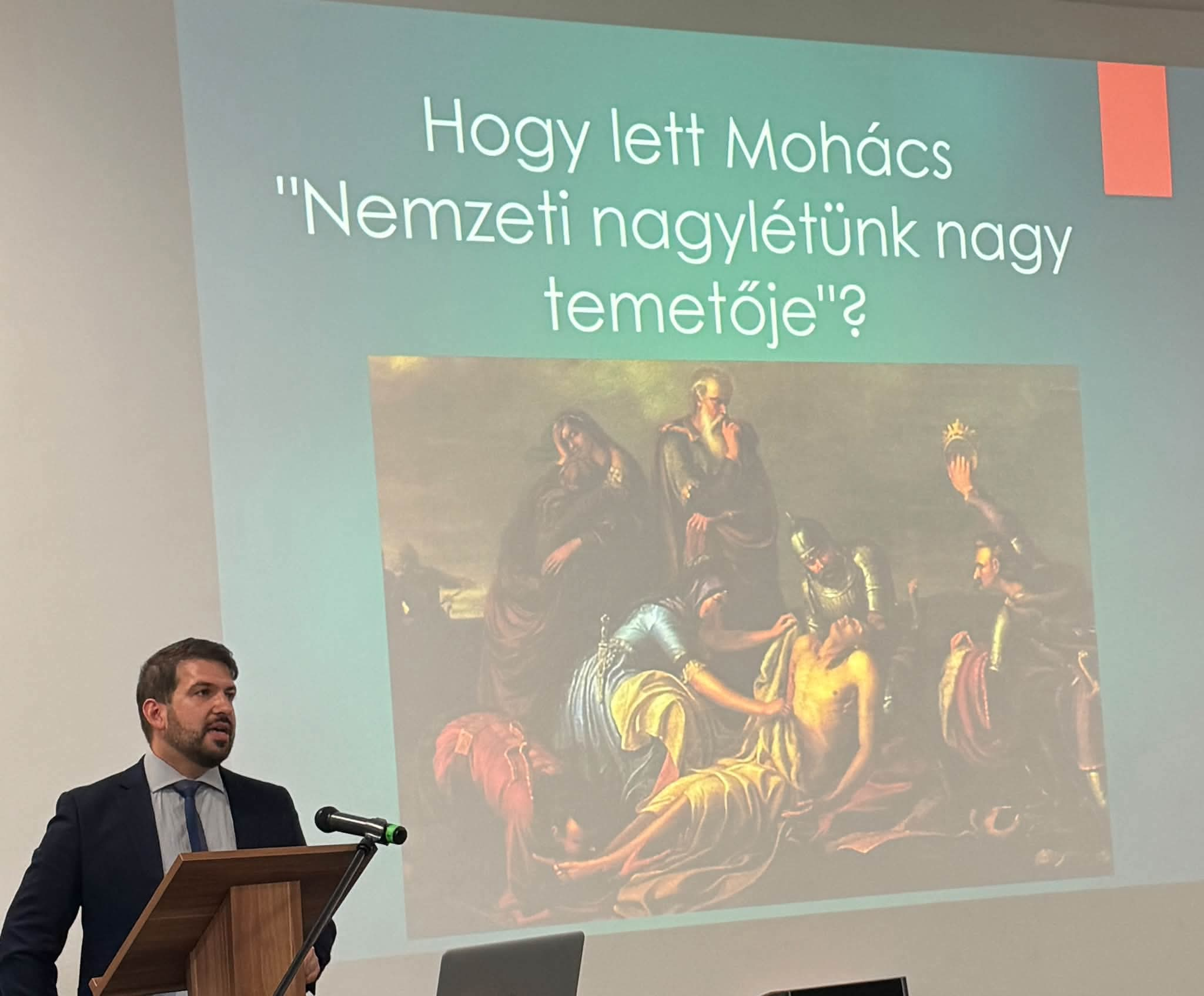
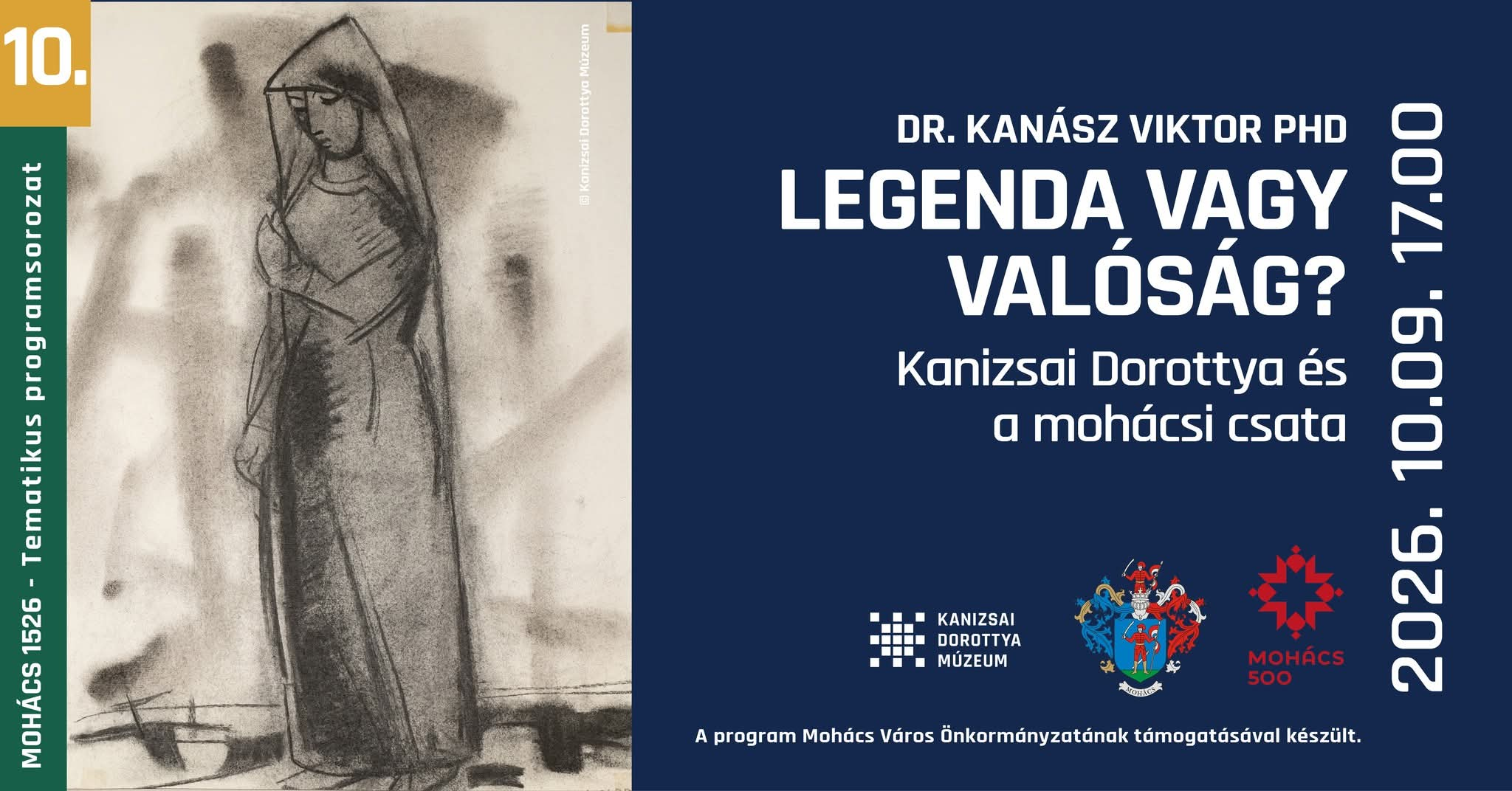
On 9 October, Kanász also delivered a lecture at the Kanizsai Dorottya Museum in Mohács on the life of the museum’s namesake, Palatine Dorottya Kanizsai, her role in the burial of those who fell in the Battle of Mohács, and her subsequent reputation and commemoration in literature and the visual arts. Finally, he presented recent findings in military, ecclesiastical and diplomatic history relating to the battle at the Marcali Museum and at Ménfőcsanak Manor House.